


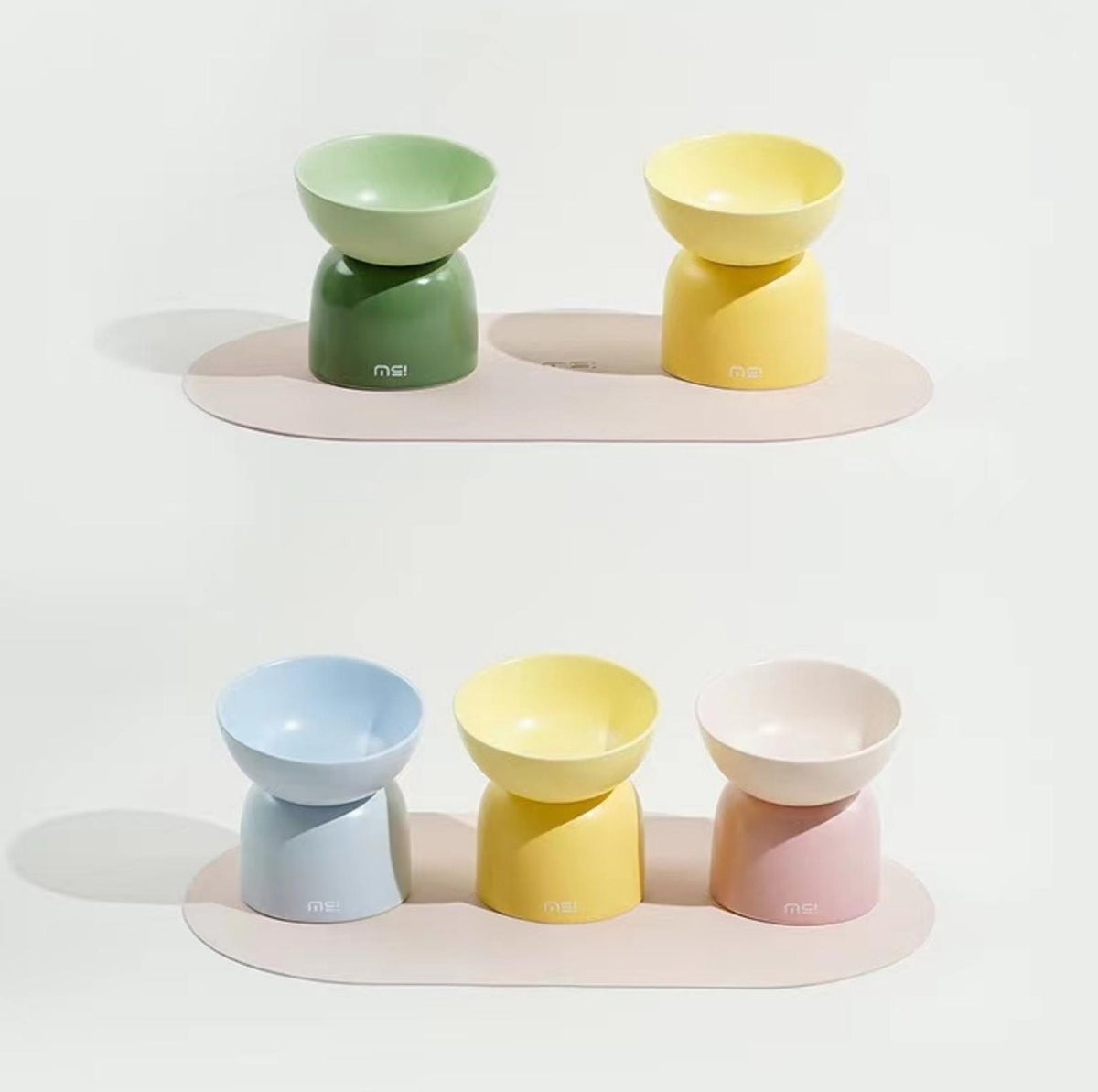
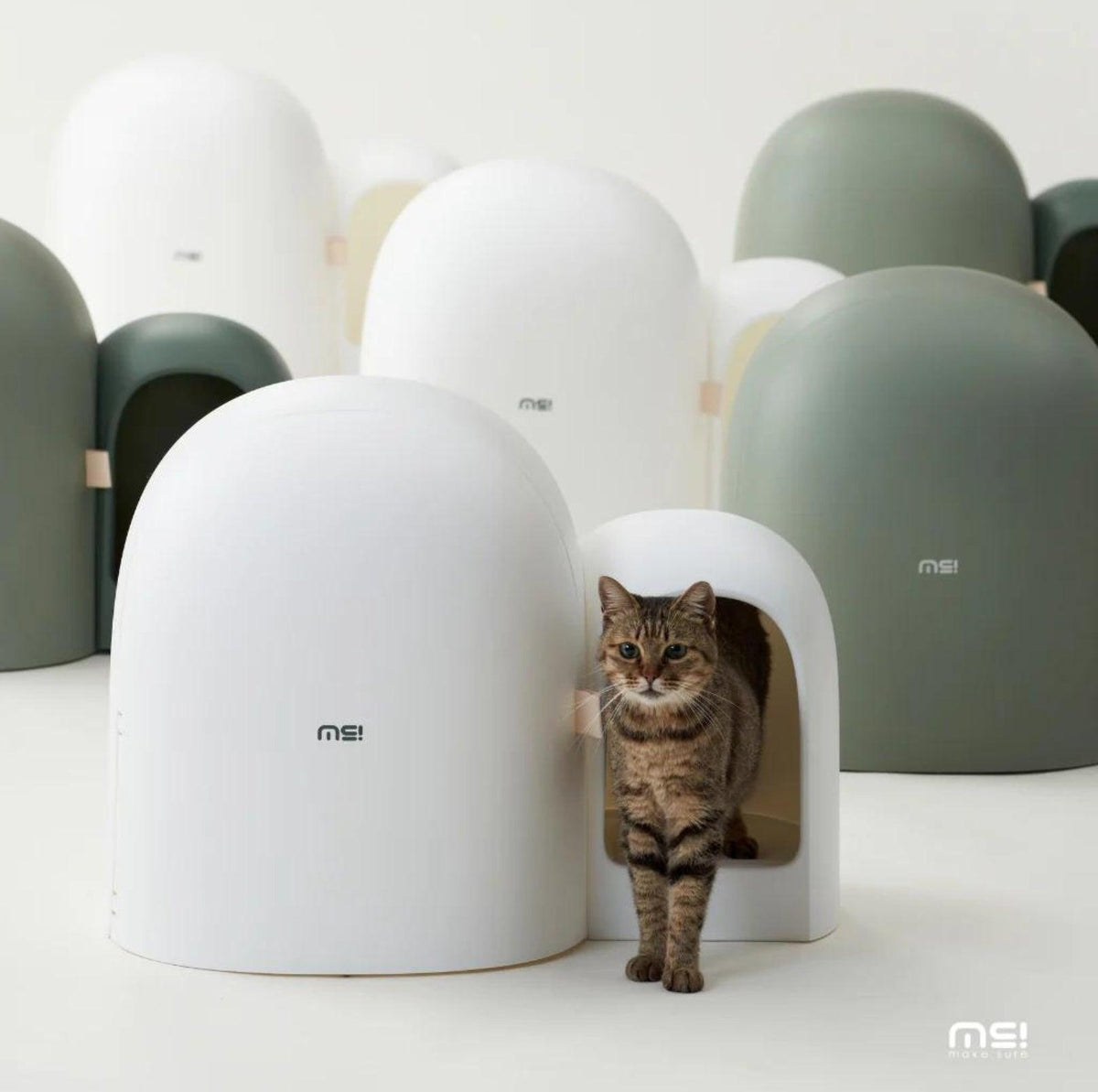
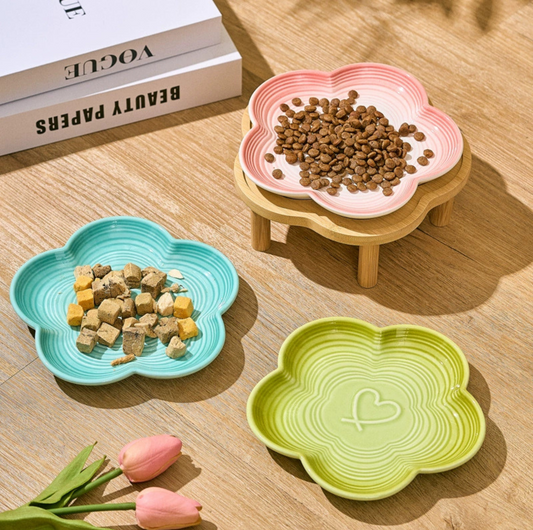
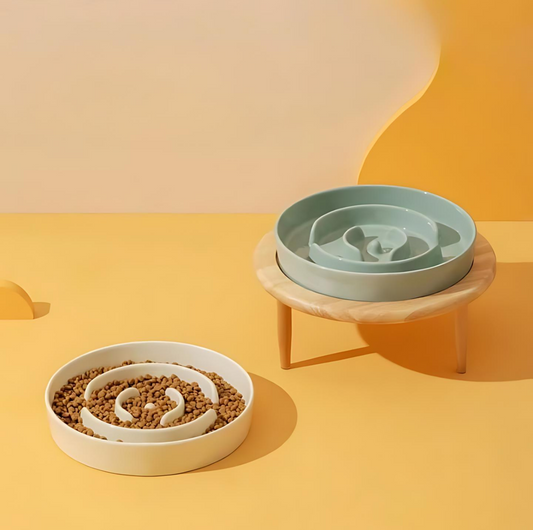
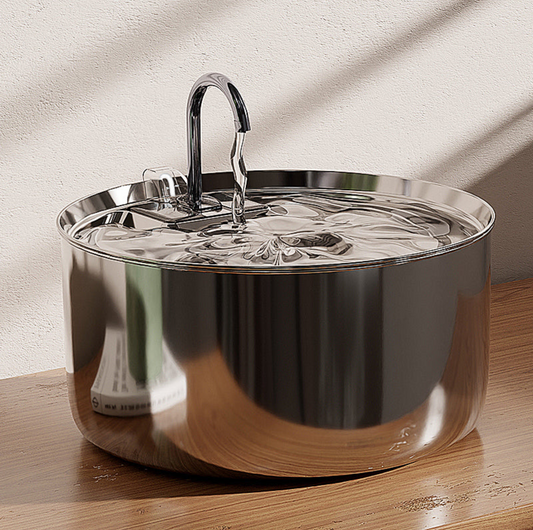
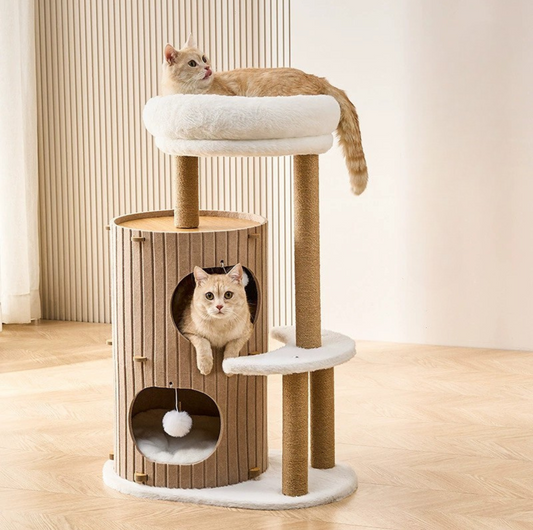
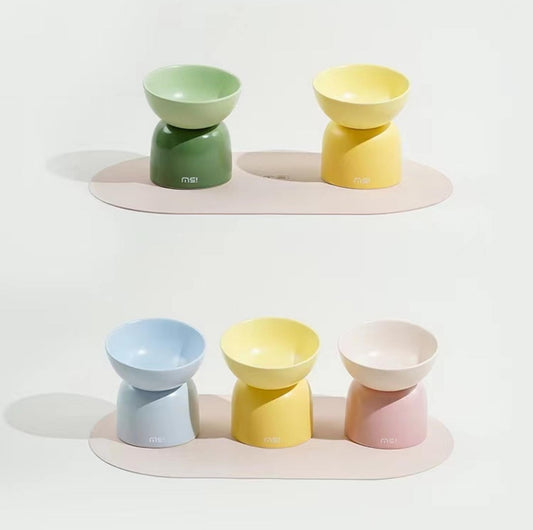


New Pet Supplies – Just Arrived

What Pet Parents Say About Our Pet Store

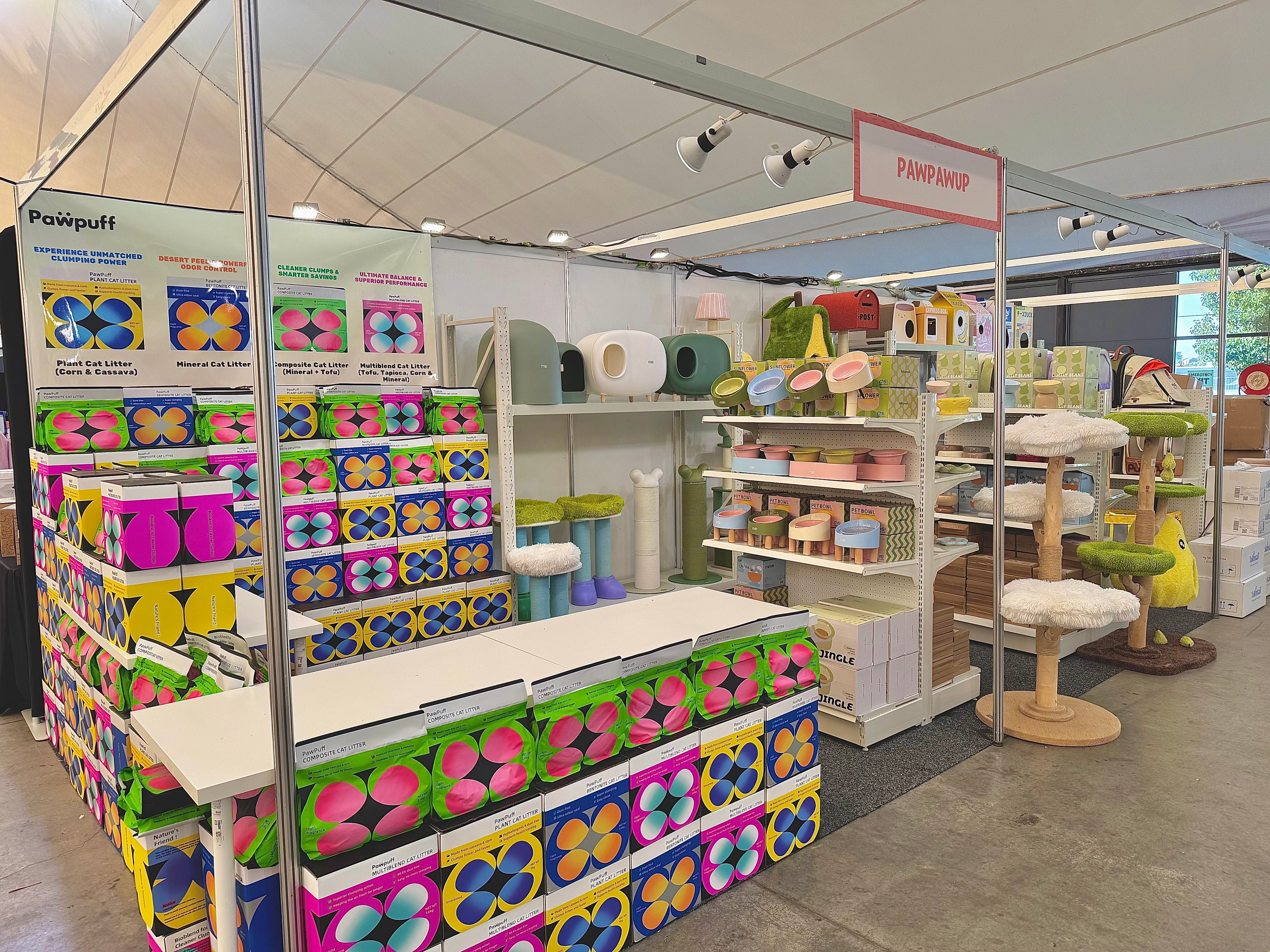
Melbourne 2025 Pet Show – Featuring PawPawUp Pet Supplies

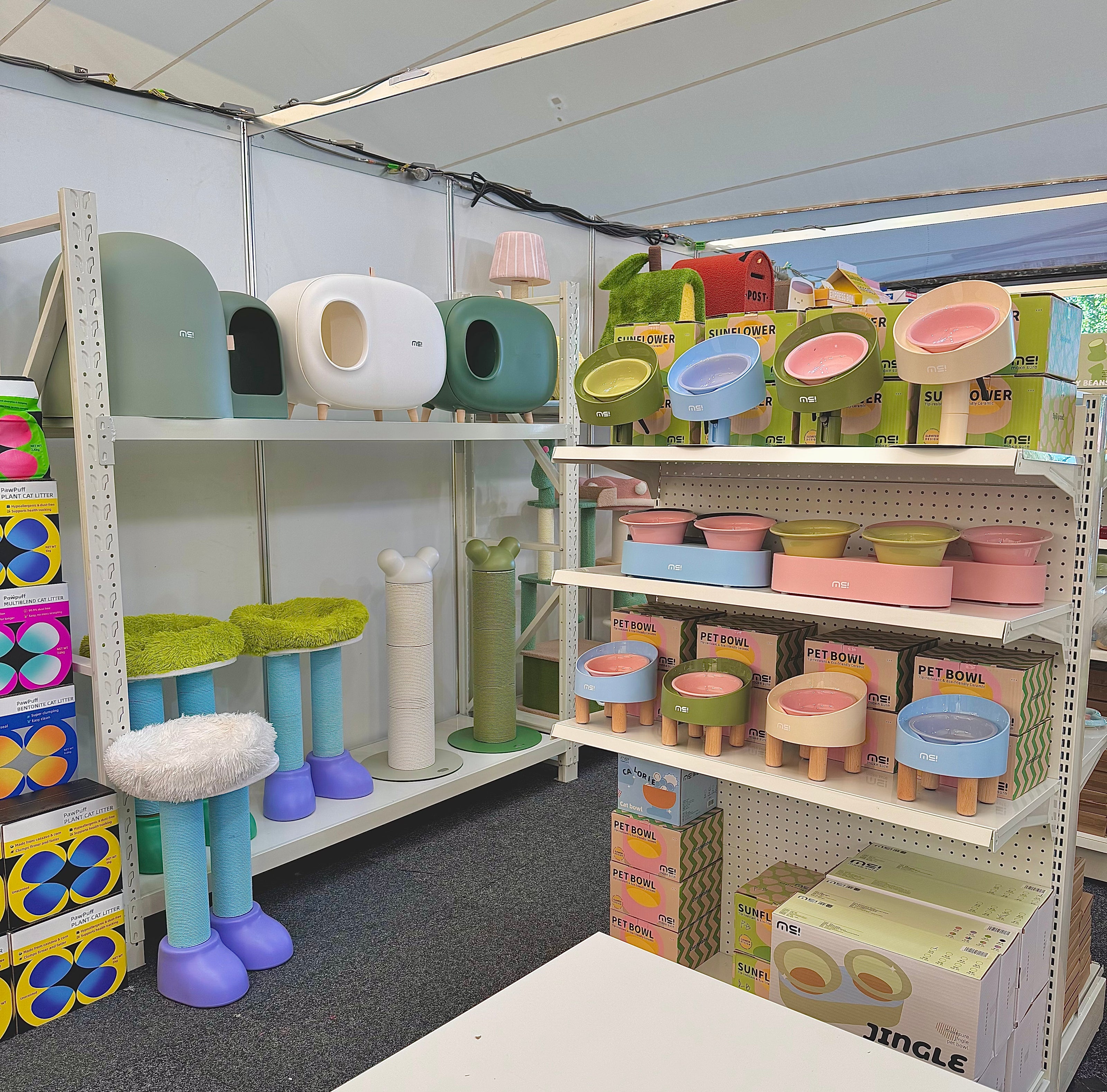
Wide view of a pet store booth displaying cat litter, feeding bowls, and climbing structures as part of their best-selling pet supplies.
Colorful shelves filled with pet bowls, litter boxes, and scratch posts at a vibrant pet store pop-up featuring premium pet supplies.
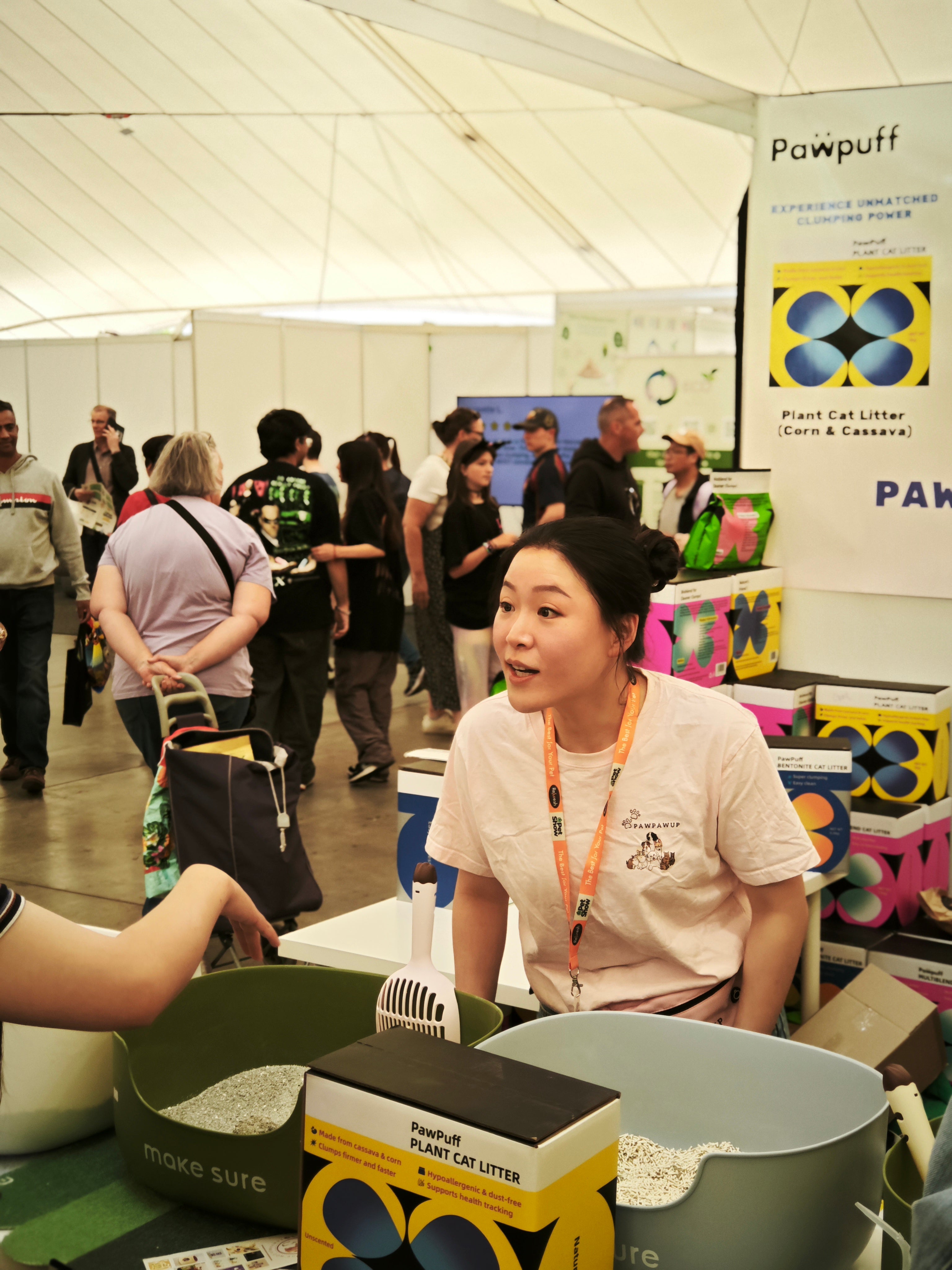
PawPuff booth at a pet supplies exhibition, presenting eco-friendly plant-based cat litter products from a leading pet store.
Group of adorable dogs and cats used in pet store marketing, highlighting a diverse range of pet supplies for all breeds.

PawPawUp Pet Store - We Care As You Care

At PawPawUp, we’re not just a pet store—we’re a team of animal lovers who believe pets deserve the same comfort and joy as the people who care for them. Based right here in Melbourne, we’ve built our store around one idea: making life better for pets, and easier for the people who love them.

Our shelves (and our hearts) are full of practical, playful, and thoughtful pet supplies—from soft cat bed that invite deep naps, to sturdy cat tree & cat scratcher that bring out your cat’s inner climber. Got a pup who never stops moving? There’s a dog toy here with their name on it. For cat parents, we’ve also stocked essentials like the easy-to-clean cat litter box, and the kind of cat carrier that makes vet trips a little less stressful.

Everything we offer has been chosen with care, tested by real pets, and delivered with the kind of service that feels more like family than retail. Whether you’re new to pet parenting or already have a house full of paws and fur, we’re here to help with things that actually make a difference.

We’re proud to be part of Melbourne’s growing pet-loving community—and we’d love for you to be part of ours.

Come join the PawPawUp family. We’re here for your pets, like they’re our own.

Why Pet Owners Across Australia Love PawPawUp
At PawPawUp, we’re more than just shelves of pet products—we’re a trusted part of countless Australian homes. Whether you’re shopping from Melbourne, Sydney, or a small town in between, we make it easy to access premium pet supplies that are both functional and full of love.

Every order comes with care, fast shipping, and support from a team who genuinely knows and loves animals. That’s why we’ve become a go-to pet store in Australia for first-time pet parents and lifelong pet lovers alike.

Want to see why so many customers stick with us? Browse our latest picks or check out our pet supplies blog to see what makes a good pet store truly great.

Read more
Many indoor cat owners notice a common but often underestimated problem: their cats get bored. As cats get old, some individuals may gradually reduce their interaction with their owners, spending most of their time sleeping and patrolling their territory. Nevertheless, instances in which they actively seek interaction with their owners still occur. This behaviour clearly indicates that cats housed indoors may experience intermittent episodes of boredom. Following a statistical analysis of some indoor cat-keeping environments and the behavioural problems of cats, it was found that some anxious behaviours that might arise from indoor cat living mode such as furniture tearing, decreased appetite, aggression, and inappropriate urination. For most cat owners, they can fix cat boredom by interacting with them more frequently or setting up regular play sessions to help them burn off energy. Even for those cat owners with limited time, they can still make some environment enrichment, such as placing cat trees and other cat entertainment facilities. What Specific Reason that Causes the Cats Boredom? To understand why indoor cats are prone to boredom, it is important to first look at cats as animals rather than pets. In the wild, a cat’s daily life involves frequent movement, observation, and hunting. However, when cats are kept indoors, many of these natural behaviours are significantly restricted. Less Range of Activity Indoor living spaces are often not large enough to support a cat’s natural need for movement and exploration. In the wild, cats spend a significant portion of their day walking, patrolling territory, climbing, and observing their surroundings. When confined to a limited indoor area, a cat’s daily walking distance is greatly reduced, which directly conflicts with its natural instincts. This restriction can gradually lead to frustration and low stimulation. Less or Barely No Physical Stimulation Indoor cats rarely experience real hunting behaviour. Their food is fully prepared and delivered in predictable ways, which removes the need for chasing. In this situation, cats are forced to find their own ways to spend excess energy. Fortunately, most cat owners do interact with their cats using teaser toys or similar items during their free time, which can temporarily reduce boredom. However, for many cats, this level of activity is still insufficient. Same Environment Cats are naturally curious animals that enjoy exploring new spaces. When their activity area is limited and rarely changes, this exploratory instinct is suppressed. In contrast, when cats enter a new or unfamiliar environment, they often show intense curiosity and may spend hours carefully observing their surroundings. This behaviour is especially noticeable when owners move to a new apartment or briefly take their cats outdoors. Is The Boredom Bad for Indoor Cats?  Scientific research provides clear evidence that boredom caused by limited activity can negatively affect the welfare of indoor cats. A study on group-housed domestic cats found that cats living in environments with larger available space showed significantly higher levels of movement and play behaviour—both of which are recognized indicators of positive animal welfare. Behaviour Problems Caused by Boredom · AggressionProlonged boredom may increase anxiety and emotional sensitivity in cats. As a result, they can become more irritable and less tolerant of physical contact. · Furniture DestructionCats with excess, unreleased energy often expresses it through increased scratching behaviour. Without appropriate outlets such as scratching posts or climbing structures, this behaviour may be redirected toward household furniture. Leather sofas and chairs are particularly vulnerable, as their texture can be appealing to cats seeking sensory stimulation. How to Fix Boredom in Indoor Cats The good news is that boredom in indoor cats does not require expensive equipment or drastic lifestyle changes. In most cases, small and thoughtful adjustments to daily routines and the living environment can significantly improve a cat’s mental and physical well-being. More Interactive Time Regular interaction with their owner is one of the most effective ways to reduce boredom in indoor cats. Cat toys such as feather toys, string toys, or crumpled paper balls can easily capture a cat’s attention and encourage movement. Safe laser pointers can also be useful, as they stimulate a cat’s natural hunting instincts and motivate them to chase and run. Add Environmental Enrichment Cats need opportunities to entertain themselves, especially when their owners are away. Creating an enriched environment allows cats to climb, scratch, hide, and observe their surroundings independently. Cat shelves, scratching posts, and cat trees are effective options, as they provide vertical space and promote natural behaviours such as climbing and marking territory. However, enrichment does not have to be expensive. Old non-wooden chairs, sturdy cardboard boxes, or paper tunnels can offer just as much stimulation and variety. Rotating or rearranging these items occasionally can also help keep the environment feeling “new” to the cat. Proper Outdoor Activities (When Suitable) Outdoor experiences can be enriching for some cats, but they are not suitable for all. A cat’s personality, confidence level, and previous experiences should always be considered. While some cats enjoy outdoor exploration, others may feel stressed or overwhelmed. For safety, using a cat carrier is the recommended way to introduce outdoor experiences. Carrying a cat in your arms is risky, as unexpected noises or movements may cause them to panic and escape. Conclusion Indoor cats often get bored because their living space limits natural behaviours such as hunting, exploring, and climbing, especially when there is a lack of environmental enrichment like cat trees or vertical space. Simple actions such as increasing interactive play, enriching the home environment, and offering safe new experiences can make a meaningful difference. With small, consistent efforts, cat owners can greatly enhance their cats’ physical health and emotional well-being. If you want more ideas to keep your cat happy and engaged, explore our guides at Pawpawup, where we share practical tips to reduce boredom in indoor cats and support their overall well-being.
A first cat does not need a perfect home, but it does need a predictable one. Most new owners buy supplies, then feel surprised when the cat still hides, wakes them at night, or ignores the things they purchased. That usually comes down to setup and routine. Cats settle when they can map their space, understand where each daily activity happens, and trust that you will not force attention when they are unsure. The goal is a home that supports calm choices: where to rest, where to watch, where to scratch, where to play, and where to reset after excitement. Building a Calm and Functional Home Environment Before you focus on training or tricks, make the basics easy to understand. Cats feel safer when life is divided into clear zones. Food, water, toilet, sleep, and play should not be crammed into one spot. A simple layout reduces stress and helps your cat form good habits without you needing to correct anything. Set up a starter room for the first few days Choose one quiet room where your cat can learn the essentials without being overwhelmed. Put the litter box on one side, food and water on the other side, and a sleeping spot in a corner. Keep the door closed at first. This is not punishment. It is a gentle introduction that lets your cat build confidence room by room. When your cat eats, uses the litter, and explores the room without hiding for long periods, open access to one new area at a time. Use vertical space to create safety without hiding Cats relax when they can observe. Give them a stable spot that is off the ground but not isolated. A cat tree placed near a window or in a quiet living area becomes a safe lookout and a resting place. It also reduces climbing on shelves because you have provided a better option. Keep it away from loud appliances and busy doorways so it stays associated with calm. Place litter and food at a distance and in privacy Cats prefer privacy for the litter box and calm for meals. Keep the litter in a low-traffic place, not beside the washing machine, not next to a slamming door, and not trapped behind clutter. Keep food and water away from the litter area. If your home is small, even a few meters of separation helps. The clearer the zones, the faster your cat understands what to do. Make scratching and resting spots part of the layout Scratching is not misbehaviour. It is maintenance and communication. Put a scratching surface near where your cat wakes up and another near the living area where people spend time. Add a soft resting spot in a warm corner and a second option where the household naturally sits. Cats often rotate resting places. That is normal. The more acceptable options you offer, the fewer unwanted choices you will need to manage. If you want a clear explanation of why cats scratch and how to guide the behaviour, this resource is helpful. Encouraging Healthy Interaction Without Overstimulation New owners often try to bond by touching too much or chasing the cat for attention. A better approach is to invite contact and let the cat decide. This builds trust fast. Your first weeks should be about calm presence, short play sessions, and learning your cat’s signals. Start with predictable play, not constant stimulation. Two short play sessions per day are better than random bursts that keep your cat on edge. Use one cat toy that lets your cat stalk and pounce, then end the session with a small snack or meal. This creates a natural sequence: hunt, catch, eat, rest. It helps cats settle, especially in the evening. Watch for signs that your cat needs a break. Tail flicking, ears turning back, sudden biting during petting, or darting away often mean your cat is overstimulated. Stop and give space. Do not take it personally. Cats learn quickly when you respect their limits. Build connection through quiet routines. Sit nearby while your cat eats. Speak softly when you enter the room. Offer a hand for sniffing instead of reaching over the head. Let your cat approach first. Once your cat begins initiating contact, gentle petting around the cheeks and chin is usually better tolerated than long, full-body strokes. Establishing Daily Habits That Support Long-Term Confidence Cats thrive on rhythm. Your setup matters, but your daily habits are what make the setup work. When routines are steady, cats become more relaxed, more affectionate, and easier to handle in new situations. Feed on a schedule. A consistent morning and evening feeding routine helps regulate appetite and reduces early morning waking for food. Keep water in a calm location and refresh it daily. Some cats prefer water away from food, so if your cat drinks poorly, try placing a second bowl in another spot. Keep the litter routine strict. Scoop every day. Cats are clean animals, and a dirty box can cause avoidance. If accidents happen, do not punish. Instead, look at the setup. Was the box hard to access? Was it too close to noise? Was it not cleaned often enough? Fix the cause rather than trying to correct the cat. Make travel training part of normal life. Many cats only see a carrier on stressful days, so they learn to fear it. Leave a cat carrier out at home with a soft blanket inside. Toss a treat in occasionally. Let your cat walk in and out on its own. This simple habit makes vet visits less dramatic later. Finally, support independent play and decompression. Cats need a place to reset when the home is busy. Keep your cat tree accessible as a calm retreat. Protect nap time. Avoid waking your cat for photos or cuddles. The more you respect rest, the more your cat will choose to spend time near you when awake. A good first-time setup is not expensive or complicated. It is clear zones, calm interaction, and routines you can keep every day. When your cat can predict its world, it relaxes. When it relaxes, it bonds. That is the foundation of a happy home with a first cat. Ready to set up a stress-free home for your first cat? Browse trusted cat essentials at PawPawUp and create a space your cat will love living in.
Some dogs treat squeaks like a personal emergency. The sound hits fast, the pitch cuts through background noise, and it mimics the tiny audio cues dogs are wired to notice. Behaviour research on why dogs like squeaky toys suggests the sound taps into instinctive attention patterns linked to prey movement and rapid feedback. But the real reason a squeaky toy feels irresistible is not only the squeak itself. It is the loop it creates: bite, squeak, reward, repeat. If your dog is the type to sprint back with a toy and demand another round, you are looking at a dog that is motivated by feedback. A toy that responds instantly to pressure can hold attention longer than a silent toy, especially during the first few minutes of play when excitement peaks. Step-by-Step Method to Pick a Squeaky Toy That Actually Works 1. Match the Squeak to Your Dog’s Play Style Not all squeaks are equal. Some are sharp and high, others are softer and lower. Dogs that pounce and shake often prefer a toy that squeaks with minimal pressure, because the sound triggers quickly during thrashing. Dogs that chew more slowly tend to enjoy squeakers that take a firmer bite, because it turns play into a challenge. Watch what your dog does first. If they stalk and pounce, you want quick activation. If they pin the toy and gnaw, you want a squeaker that is protected deeper inside the toy so it lasts longer. 2. Choose the Right Shape for the Bite and Grip A toy can squeak perfectly and still fail if the shape is wrong. Long toys are easier to shake and tug. Rounder toys roll and trigger chase, which can be useful for dogs that need movement to stay interested. Flat toys are easier to pin down, which helps dogs that like to “win” by controlling the toy. For multi-dog homes, consider shapes that allow two mouths to engage without constant conflict. A toy that can be grabbed from multiple angles reduces frustration and keeps play cooperative. 3. Check Construction Like You Are Buying Work Gear If your dog goes crazy for squeaks, the toy will be under heavy stress fast. Focus on seams, thickness, and how the squeaker is housed. Reinforced stitching matters more than fancy patterns. A layered fabric or a tougher outer shell can delay the moment your dog reaches the squeaker. Also, think about the mess factor. Some toys are designed to be shredded. If your dog gets overstimulated by ripping, pick a toy that is built for chewing and shaking rather than one that encourages tearing. 4. Use the Toy to Shape Better Behaviour A squeaky toy is not just entertainment. It can be a training tool if you use it with a simple structure. Start play, stop play, ask for a quick behaviour, then restart. Over time, your dog learns that calm actions unlock the squeak. Keep sessions short at first. Many dogs escalate quickly with squeakers, especially younger dogs. A few minutes of focused play, then a break, helps prevent frantic overstimulation. If your dog starts grabbing hands or jumping, pause and reset the rules rather than pushing through. 5. Know When to Rotate Instead of Replacing Dogs often fixate on the squeak because it is novel and rewarding. Once the squeak becomes predictable, interest can dip. Rotation solves this. Put the squeaky toy away after a session and bring it back later. The toy feels fresh again, and your dog goes wild without you constantly buying new items. If you want variety, pair the squeaker with a different category on other days, like a chew, a puzzle, or a simple fetch item. Rotating keeps arousal balanced and helps your dog stay engaged without becoming obsessed. Safety Rules That Matter More Than the Hype Inspect squeaky toys regularly. If seams split, stuffing comes out, or the squeaker becomes exposed, remove the toy. For strong chewers, supervised play is the safest default. Some dogs will try to locate and extract the squeaker immediately, which turns play into a teardown mission. If your dog is prone to swallowing bits, choose toys that are appropriately sized and harder to dismantle. The best toy is the one your dog can enjoy repeatedly without turning every session into a cleanup and risk. Build a Simple Toy Routine at Home A practical routine looks like this: a few minutes of squeak play, a quick, calm reset, then a different activity. Use the squeak as a reward, not an all-day background noise. Your dog stays excited, you stay in control, and the toy lasts longer. If you are building a broader toy setup for the house, mix categories so your dog gets different kinds of stimulation. You might have one high-energy option like a squeaker, one problem-solving option, and one comfort option. For ideas across categories, check out [dog toy] selections on [pawpawup]. If you are also organising the rest of your pet space, it helps to plan placement for items like a [cat litter box] and a stable [cat scratching post] so dogs and cats both have clear zones and fewer conflicts.

Pet Store & Pet Supplies FAQ

What is essential for a first-time cat or dog owner?

If you're adopting a new pet, you'll have to bring home some essentials: food and water bowls, good pet food, a comfy bed, grooming equipment, an ID-tagged collar, and some toys. If it's a cat, add a litter box and a scratching post. If it's a dog, remember a leash and poop bags. Starting with these basics guarantees your pet feels secure, satisfied, and well cared for from the start.

How often should I replace or update my pet supplies?

You should finish pet food and treats first, but other products need to be replaced now and then, too. Collars, beds, toys, and grooming tools become outdated — replace them every 6–12 months or if they seem to be damaged. Closely monitor chew toys and replace them as soon as they start to crack or break. This article is about clean your pet's stuff.

What do I need to ask when I visit a pet store for the first time?

Ask them where their pet food originates from, if their toys and so on are safe, and how you can continue if you want to return an item. When buying stuff for health, i.e. extras or something to stop fleas, make sure that the staff know what they're selling. A good pet shop will tell you what you need to know, not just eager to flog you something.

What makes a good pet store?

A good pet store is not just a place for purchasing necessities - it is a gathering place for passionate staff, carefully selected products, and genuine care for animals. The best pet stores in Australia have knowledgeable and animal-loving staff, a clean and cozy environment, and are dedicated to the health and well-being of pets. They not only sell you products but also help you a lot with the long-term health and happiness of your pets.

At PawPawUp, we proudly consider ourselves more than just an ordinary pet supply store. We are a place that pet owners in Australia trust, where they look for high-quality products, personalized services, and genuine support. Wondering why many people consider us one of the best pet stores in Australia? Read our blog to learn what makes a great pet store.

Our services are based on the opinions of the community in this pet stores Reddit post, which discusses what makes a good pet store. We are constantly improving.

Do you offer delivery across Australia?

Absolutely. We provide fast and affordable shipping Australia-wide. Orders over $79 qualify for free delivery, and we also ship to rural and regional areas.

Check out our full shipping policy here to learn more.