


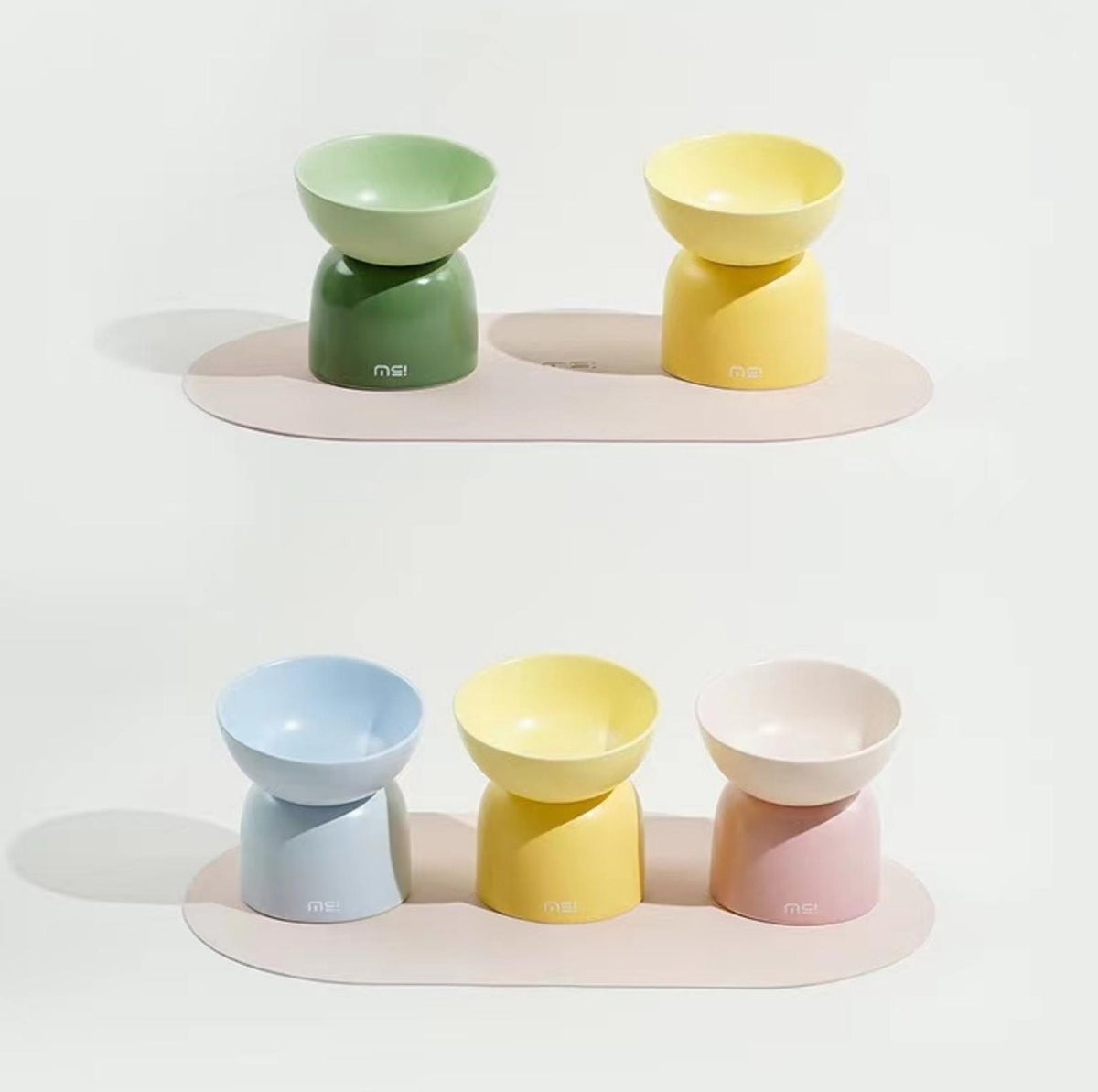
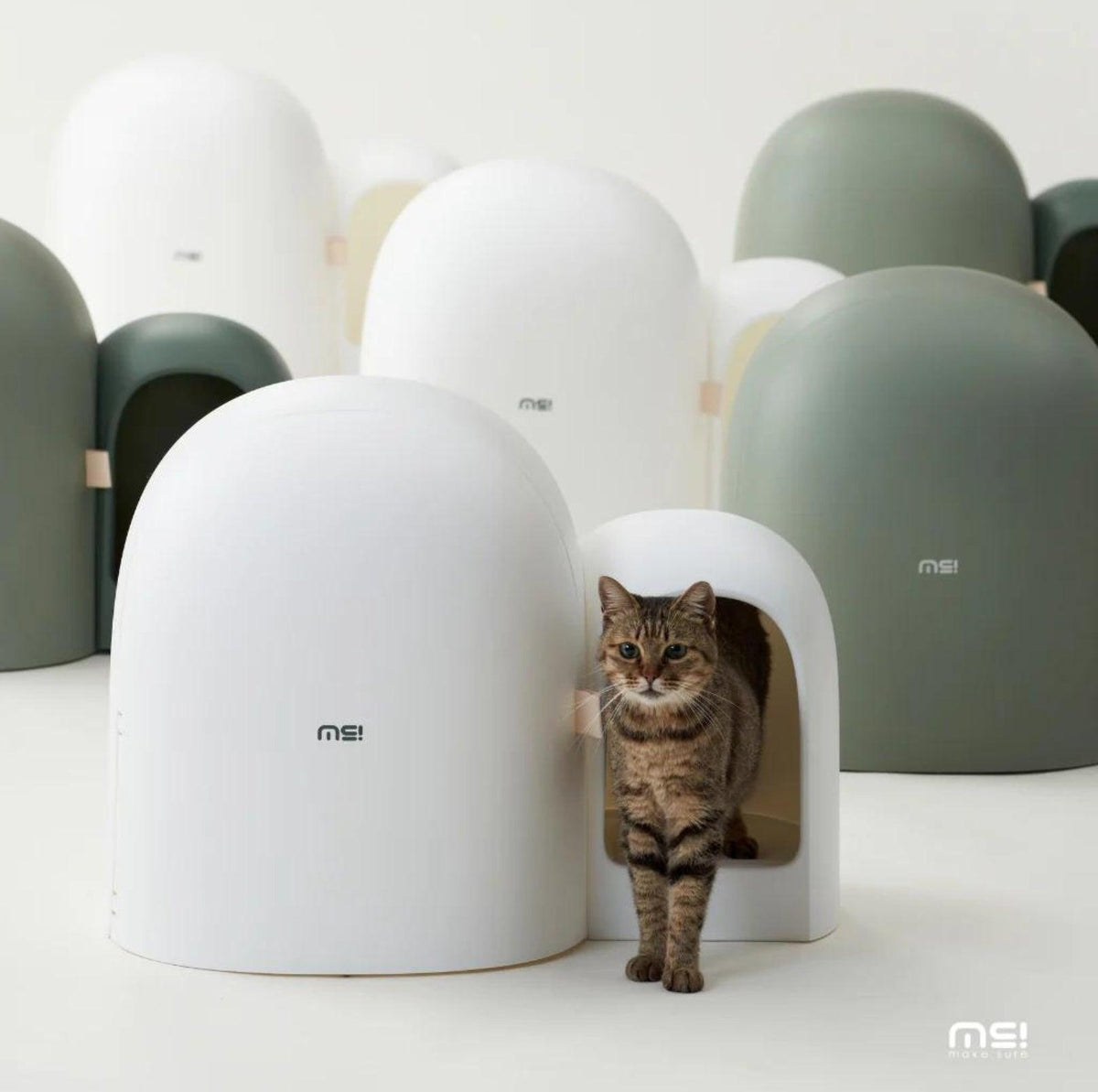
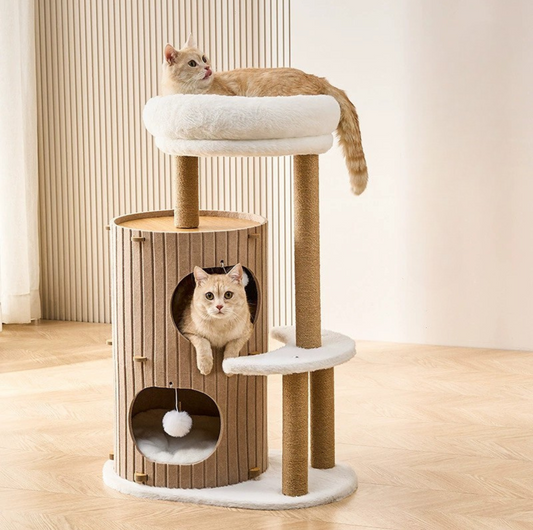
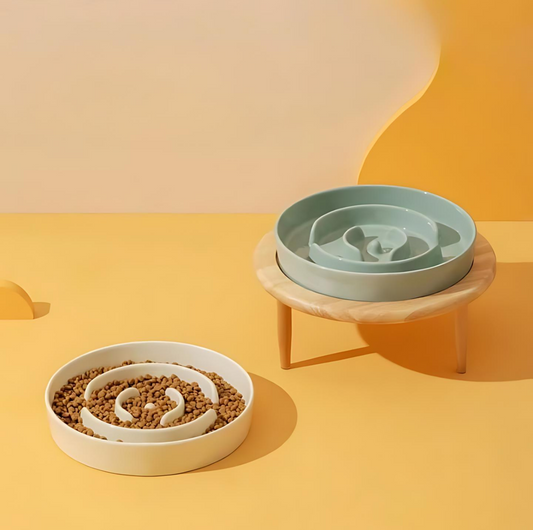
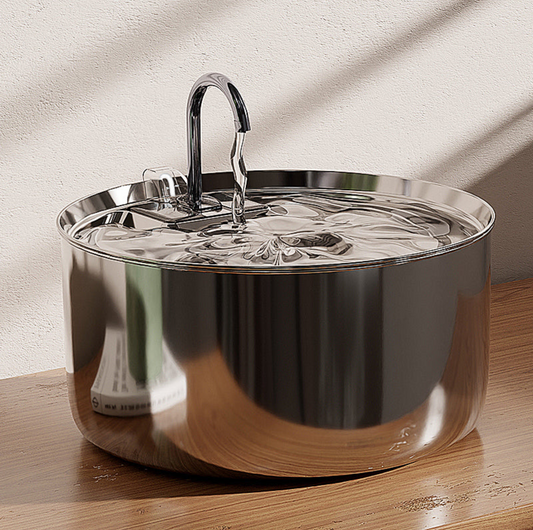
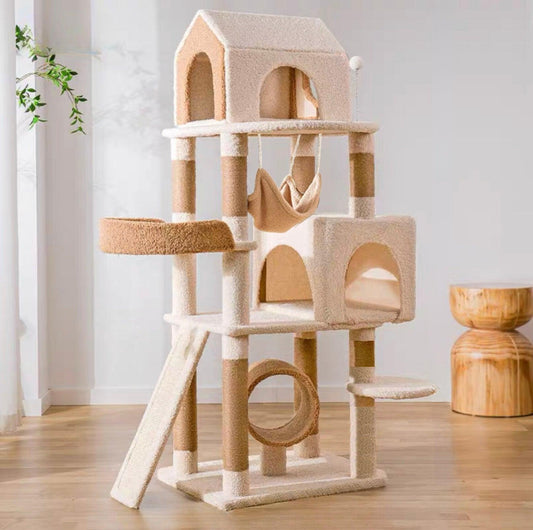
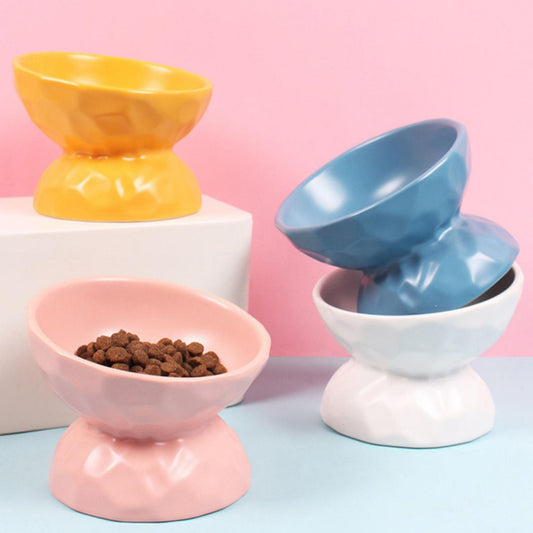

New Pet Supplies – Just Arrived

What Pet Parents Say About Our Pet Store

Melbourne 2025 Pet Show – Featuring PawPawUp Pet Supplies

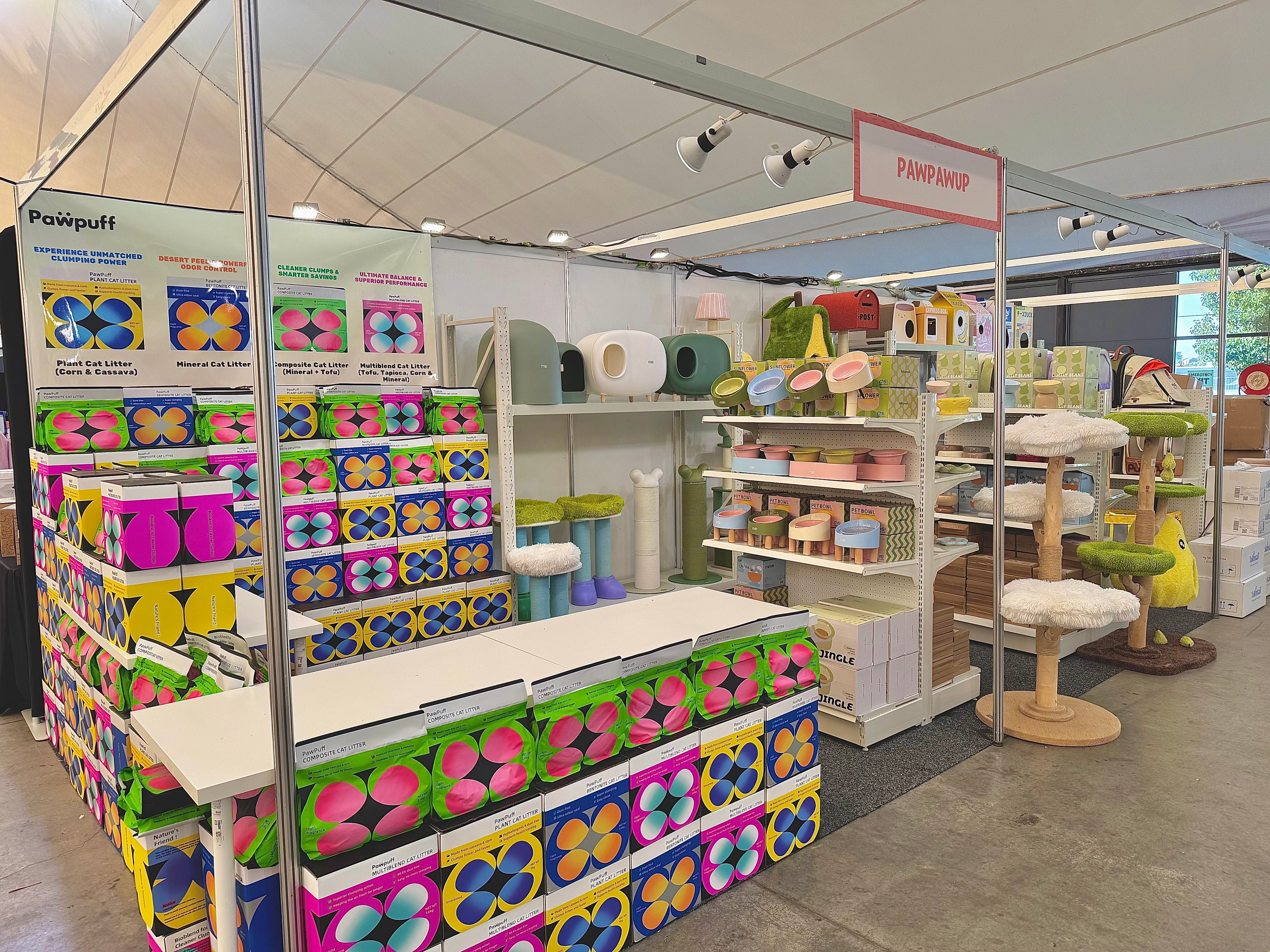
Wide view of a pet store booth displaying cat litter, feeding bowls, and climbing structures as part of their best-selling pet supplies.
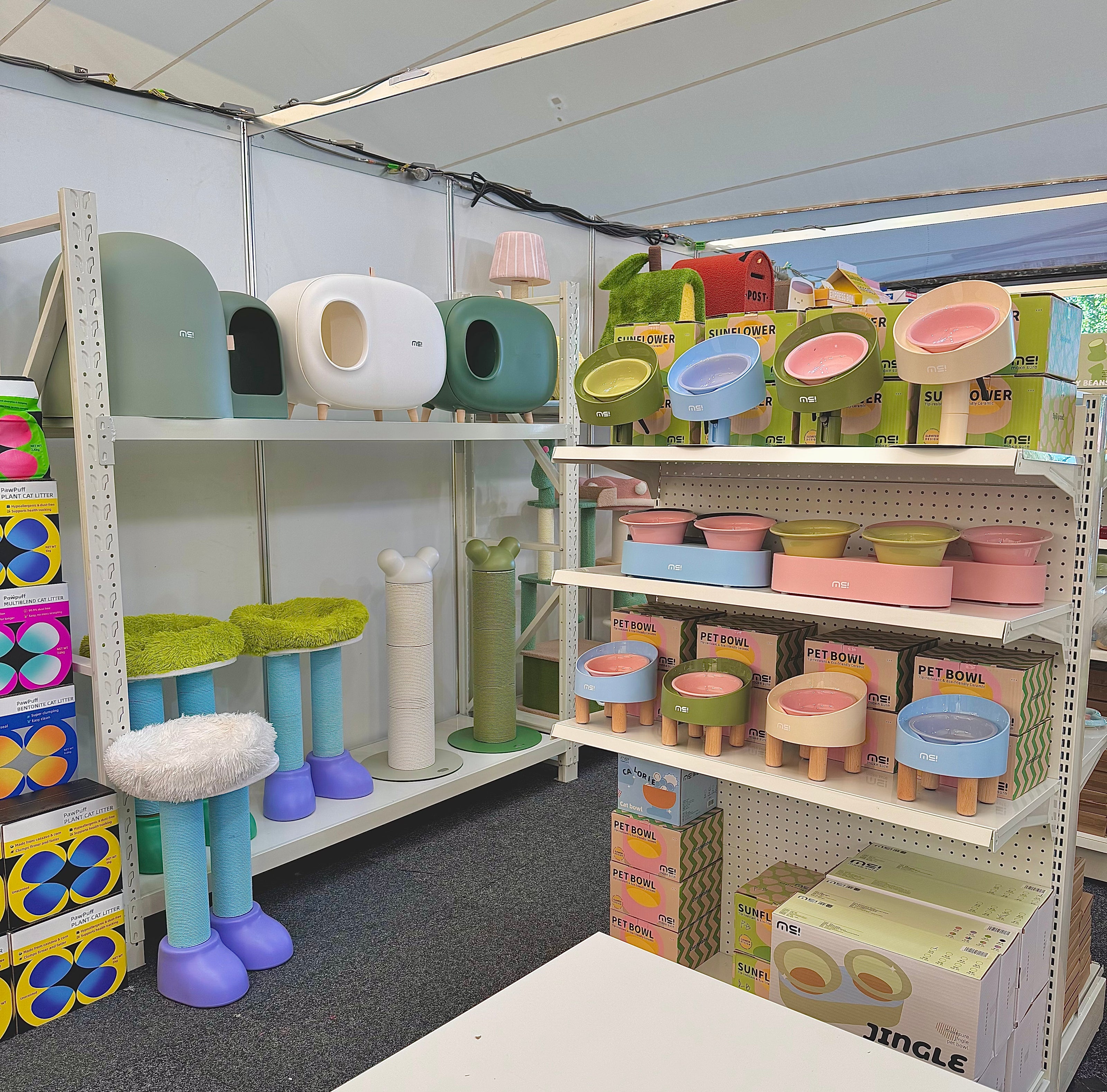
Colorful shelves filled with pet bowls, litter boxes, and scratch posts at a vibrant pet store pop-up featuring premium pet supplies.
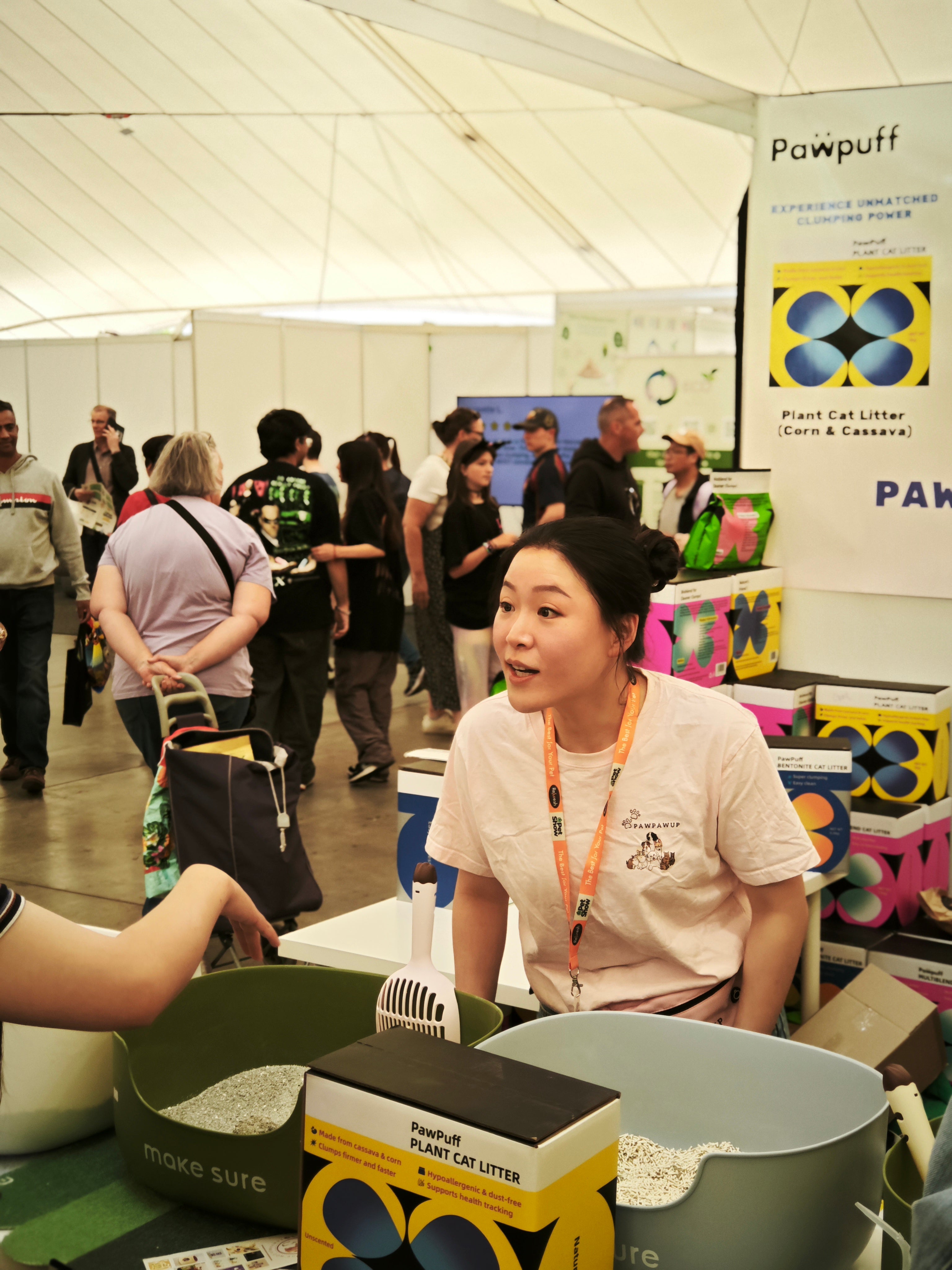
PawPuff booth at a pet supplies exhibition, presenting eco-friendly plant-based cat litter products from a leading pet store.
Group of adorable dogs and cats used in pet store marketing, highlighting a diverse range of pet supplies for all breeds.

PawPawUp Pet Store - We Care As You Care

At PawPawUp, we’re not just a pet store—we’re a team of animal lovers who believe pets deserve the same comfort and joy as the people who care for them. Based right here in Melbourne, we’ve built our store around one idea: making life better for pets, and easier for the people who love them.

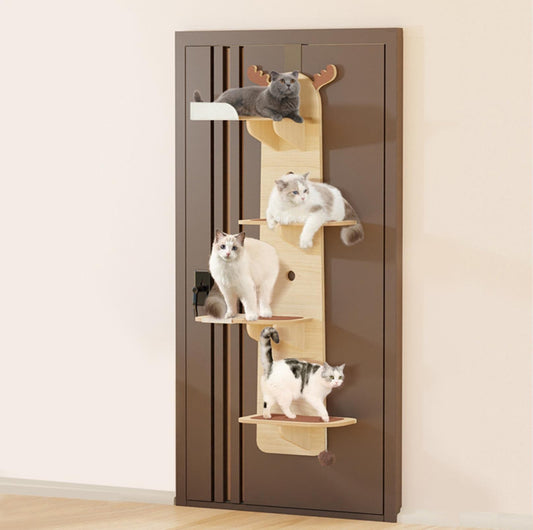
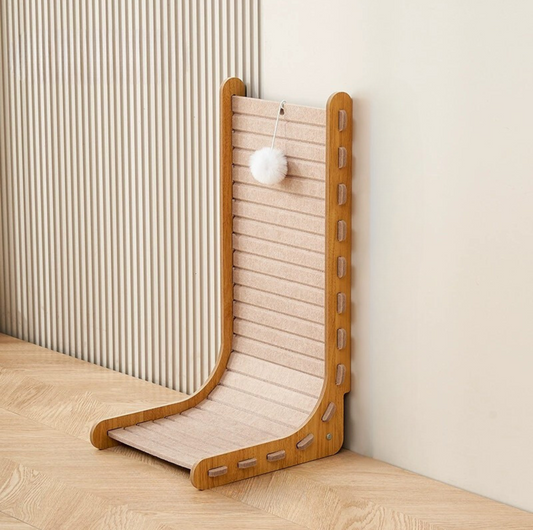
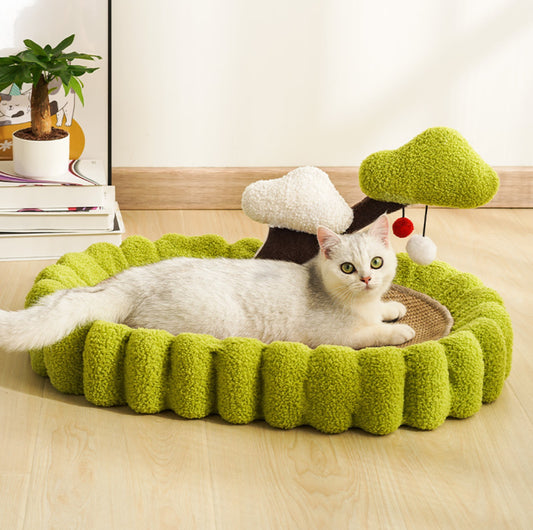
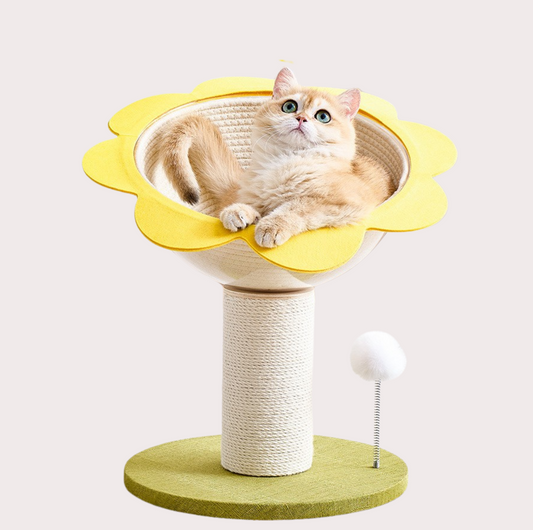
Our shelves (and our hearts) are full of practical, playful, and thoughtful pet supplies—from soft cat bed that invite deep naps, to sturdy cat tree & cat scratcher that bring out your cat’s inner climber. Got a pup who never stops moving? There’s a dog toy here with their name on it. For cat parents, we’ve also stocked essentials like the easy-to-clean cat litter box, and the kind of cat carrier that makes vet trips a little less stressful.

Everything we offer has been chosen with care, tested by real pets, and delivered with the kind of service that feels more like family than retail. Whether you’re new to pet parenting or already have a house full of paws and fur, we’re here to help with things that actually make a difference.

We’re proud to be part of Melbourne’s growing pet-loving community—and we’d love for you to be part of ours.

Come join the PawPawUp family. We’re here for your pets, like they’re our own.

Why Pet Owners Across Australia Love PawPawUp
At PawPawUp, we’re more than just shelves of pet products—we’re a trusted part of countless Australian homes. Whether you’re shopping from Melbourne, Sydney, or a small town in between, we make it easy to access premium pet supplies that are both functional and full of love.

Every order comes with care, fast shipping, and support from a team who genuinely knows and loves animals. That’s why we’ve become a go-to pet store in Australia for first-time pet parents and lifelong pet lovers alike.

Want to see why so many customers stick with us? Browse our latest picks or check out our pet supplies blog to see what makes a good pet store truly great.

Read more
A bored dog is rarely a “bad” dog. Most of the time, they are just under-stimulated. Chewed shoes, barking at every sound, digging in the garden, stealing socks, or following you from room to room can all be signs that your dog needs more than a quick walk and a pat on the head. This is where puzzle toys and enrichment play can help. They do not replace exercise, training, or time with you, but they can make a big difference to your dog’s daily routine. Why Dogs Get Bored Dogs are natural sniffers, chewers, problem-solvers, and food seekers. In a normal day, many dogs want to explore smells, make choices, use their mouth safely, and work for rewards. When their routine is too predictable, boredom can build up. The RSPCA explains that enrichment helps dogs use their brains and bodies in healthy ways, and mental enrichment can include interactive toys, puzzle toys, scent games, snuffle mats, and memory games. A good dog toy is not just something your dog bites for five minutes. The right toy gives them a small job to do. For example, “move this piece to find the treat” or “sniff out where the food is hidden.” That small challenge can turn a restless dog into a calmer one. What Are Puzzle and Enrichment Toys? Puzzle toys are designed to make dogs think before they get a reward. Most use treats or kibble hidden under sliders, lids, drawers, blocks, or spinning parts. The dog has to use their nose, paws, and memory to work out where the reward is and how to reach it. Enrichment toys are a broader category. They can include treat puzzles, slow feeders, chew toys, snuffle mats, lick mats, food-dispensing toys, and interactive games. Here is a simple way to understand the difference: Toy Type Best For Example Use Puzzle toys Problem-solving and focus Hide small treats under sliders or blocks Slow feeders Fast eaters and mealtime pacing Serve part of dinner inside a puzzle Snuffle toys Nose work and calming play Scatter dry treats for sniffing Chew toys Safe chewing and stress release Use during quiet time Training toys Reward-based learning Build confidence with simple wins How Puzzle Toys Help a Bored Dog Puzzle toys can help in a few practical ways. First, they slow things down. Instead of your dog inhaling dinner in 30 seconds, a puzzle feeder can stretch mealtime into a short thinking session. Second, they give your dog a job. This is useful for dogs that get bored when left alone, dogs that always want attention, and dogs that become unsettled in the evening. Third, they can help reduce unwanted behaviours linked to boredom. The RSPCA notes that dogs are less likely to get bored with feeding-based activities such as puzzle feeders or toys filled with food. That does not mean a puzzle toy will magically fix separation anxiety or serious behavioural issues. But for everyday boredom, it is one of the easiest changes to make. Choosing the Right Difficulty Level One common mistake is buying the hardest-looking puzzle first. If a dog has never used one before, an advanced puzzle can be frustrating. Some dogs will bark at it, paw too hard, or give up. Start with an easier puzzle and help your dog learn the idea. Let them watch you place treats inside. Leave a few compartments partly open. Praise them when they try. Once they understand the game, you can increase the difficulty. A better approach is: Start easy and let your dog win. Use high-value treats for the first few sessions. Keep sessions short, around 5–10 minutes. Supervise play, especially with wooden toys. Put the toy away after use so it stays interesting. 3 Puzzle Toys to Try for Daily Enrichment Wooden Puzzle Toy – Sudoku Medium Expert Rainbow for Dogs $29.99 AUD View Product Interactive Wooden Dog Puzzle Toy – Flower Shape Slow Feeder & Treat Game $39.99 AUD View Product Interactive Wooden Dog Puzzle Toy – Two Towers Multi-Level Treat Game $49.99 AUD View Product When Should You Use Enrichment Toys? Puzzle toys are useful in everyday situations, not just when your dog is already bouncing off the walls. They work well before you leave the house, after a walk, during wet weather, while you are working from home, or in the evening when your dog has energy but you need them to settle. They can also help dogs that eat too quickly, because many puzzle toys slow down treat or kibble access. For nervous dogs, keep the game easy at first. Confidence matters more than difficulty. A dog that feels unsure may benefit from simple treat-finding games before moving to harder puzzles. You can also read PawPawUp’s guide to Nervous Dog Play for more ideas on using play gently. Safety Tips Before You Start Always supervise your dog with a new puzzle toy. Check that pieces are not being chewed off, cracked, or swallowed. Puzzle toys are designed for interactive play, not heavy chewing. If your dog is a strong chewer, use the puzzle for short sessions, then remove it. Treat size also matters. If the treat is too large, your dog may become frustrated. If it is too small and too easy to access, the game may finish too quickly. Dry treats, small training rewards, or part of your dog’s normal kibble often work best. Also remember that colour and contrast may look different to dogs than they do to us. For more detail on how dogs see their world, PawPawUp’s article Can Dogs See Colour is a useful read. Final Thoughts Keeping a bored dog busy is not about buying the most complicated toy. It is about giving your dog a healthy outlet for sniffing, thinking, licking, chewing, and problem-solving. A well-chosen dog toy can turn a dull afternoon into a calmer, more satisfying routine. Start simple, watch how your dog plays, and build up slowly. For a wider look at toy types, sizes, safety, and play styles, check out PawPawUp’s 2026 Dog Toy Guide. Ready to make your dog’s day more interesting? Explore PawPawUp’s puzzle and enrichment toys and choose a game that matches your dog’s size, confidence, and play style.
Indoor cats are becoming more common across Australia, and for good reason. More councils are encouraging cat containment, apartment living is normal for many pet owners, and a lot of people simply want to keep their cats safer from roads, fights, disease, and wildlife risks. But keeping a cat indoors is not just about closing the door. Your cat still needs a home setup that feels clean, safe, predictable, and easy to use. One of the biggest parts of that setup is the litter area. A good litter setup can prevent accidents, reduce smell, and make your cat feel more settled indoors. A poor setup can do the opposite, even if the box itself looks nice. Why the Litter Box Setup Matters for Indoor Cats Australia has one of the highest pet ownership rates in the world. Animal Medicines Australia’s 2025 report says 73% of Australian households own a pet, and there are around 5.8 million cats across the country. As more cats spend most or all of their time indoors, the litter area becomes part of their daily wellbeing, not just a cleaning issue. Agriculture Victoria also recommends that cats kept indoors permanently should have a litter box placed well away from eating and sleeping areas, with litter cleaned daily. You can read the official guidance. That advice is simple, but it matters. Cats are fussy about toileting because, in the wild, scent is connected to safety. If the tray smells wrong, feels exposed, or sits too close to food, your cat may avoid it. Choose the Right Box Before Choosing the Litter Start with the box itself. A cat litter box should be large enough for your cat to step in, turn around, dig, and cover waste without feeling cramped. A common mistake is buying a box that fits the room but not the cat. For kittens, senior cats, or cats with joint stiffness, a low-entry tray is easier. For big cats or messy diggers, high sides can help contain scatter. Enclosed boxes can be useful for odour and privacy, but not every cat likes them. Some cats feel trapped if there is only one way in and out, especially in a multi-cat home. If your cat is new to indoor life, start simple. A large open tray is often easier for cats to accept than a covered or automatic design. Where Should You Put It? Location is usually where things go wrong. The laundry seems practical for humans, but it can be loud, cold, and full of sudden washing machine sounds. A hallway may be easy to access, but too exposed. A spare bathroom might work, unless the door keeps getting closed. The best location is quiet, easy to reach, and not boxed into a dead-end corner. Your cat should feel like they can enter, use it, and leave without being ambushed by another pet, child, or loud appliance. Home Situation Best Litter Setup Tip Small apartment Use one main tray in a quiet corner, not beside food or bedding Multi-cat home Follow the “number of cats + one extra” rule where possible Senior cat Choose a low-entry tray with easy access Messy digger Use a larger tray with higher sides and a litter mat Nervous cat Avoid busy hallways, laundries, and enclosed spaces with no escape route New rescue cat Keep the tray close at first, then move it gradually if needed If you live in a compact space, do not hide the tray so well that your cat has to work to find it. Convenience matters to cats too. Pick a Litter Your Cat Will Actually Use The best litter is not always the one with the strongest scent or the fanciest label. In fact, many cats dislike strong fragrance. Low-dust, unscented, clumping litter is usually a safe starting point for indoor cats because it is easier to clean and less overwhelming. Plant-based options, tofu litter, paper litter, clay litter, and crystal litter all have different textures. Some cats like soft granules. Some prefer sand-like litter. Some refuse pellets. The only real test is your cat’s behaviour. If you need to switch litter, do it slowly over about a week. Mix a little of the new litter into the old one, then increase the amount gradually. Sudden changes are one of the easiest ways to trigger litter box refusal. Keep the Cleaning Routine Boring and Consistent Cats like clean toileting areas. Scoop at least once a day, and more often if you have multiple cats. Do a full refresh regularly, depending on the litter type and smell. Wash the box with mild, cat-safe cleaning products and avoid harsh disinfectants with strong lingering odours. If your cat has had an accident outside the tray, clean the spot with an enzyme cleaner. Normal household sprays may make the area smell clean to you, but your cat can still detect the old scent and return to the same place. A clean cat litter box is not just about hygiene. It helps your cat trust the space. Make the Indoor Setup More Than Just a Tray A litter tray fixes one need, but indoor cats need more than a toilet. They need scratching, climbing, hiding, resting, watching, and play. If those needs are not met, stress can show up as toileting problems. A cat tree near a window can give your cat height and entertainment. Scratching posts help them stretch and mark territory in a healthy way. A cosy bed gives them a predictable resting spot. A secure cat carrier is also useful for vet visits, moving house, or safely managing outdoor trips. If your cat has already started avoiding the tray, read our guide on why your cat suddenly stops using the cat litter box before changing everything at once.   Common Mistakes to Avoid The most common mistake is buying one tray and assuming that is enough. Another is placing the tray where it suits the human cleaning routine but not the cat’s comfort. Scented litter, tiny trays, sudden litter changes, and covered boxes in noisy rooms can all create problems. Do not change the box, litter, location, and cleaning product all in the same week. If your cat reacts badly, you will not know which change caused it. Adjust one thing at a time and watch what your cat does. Final Thoughts Setting up an indoor cat litter area is not complicated, but it does need some thought. Choose a roomy tray, place it somewhere calm, use litter your cat accepts, clean it daily, and support the rest of your cat’s indoor life with climbing, scratching, and resting spaces. Your cat does not need a perfect home. They need a home that makes sense to them. Explore practical indoor cat essentials at pawpawup and create a cleaner, calmer setup your cat will actually use.
For many Australian cat owners, a carrier used to be something you pulled out once a year for the vet. In 2026, that is starting to change. More pet-friendly travel options, stricter expectations around safe transport, and growing discussion around cat containment mean a good travel carrier is becoming less of a “nice to have” and more of a practical part of everyday cat care. Pet Travel Is Becoming More Normal in Australia One of the biggest reasons cat owners are paying more attention to travel gear is the rise of pet-friendly flying. Virgin Australia’s Pets in Cabin trial allows small cats and dogs to travel in the cabin on selected domestic routes, with the combined pet and carrier weight capped at 8kg. The airline also lists specific carrier requirements, including soft-sided construction, ventilation, leak resistance, and a maximum size of 44cm x 26cm x 28cm. That does not mean every cat will suddenly become a frequent flyer. Most cats still travel by car far more often than by plane. But the airline rules are useful because they show what a travel-ready carrier should be: secure, breathable, comfortable, easy to carry, and sized properly. A carrier that only looks cute but collapses, traps heat, or lets a nervous cat push through a weak zip is not really travel-ready. For owners planning vet visits, weekend stays, house moves, road trips, or future flights, choosing the right cat carrier early makes life much easier. What Makes a Cat Carrier “Travel-Ready”? A travel-ready carrier is not just a bag with mesh panels. It should work under pressure, especially when your cat is scared, noisy, or trying to escape. Here is a simple way to compare what matters: Feature Why It Matters Strong zips and closures Nervous cats may push, scratch, or squeeze against weak openings Good ventilation Helps prevent overheating, especially in cars or waiting areas Stable base Stops the carrier from folding around the cat’s body Easy access Top or wide openings make loading less stressful Washable lining Useful after motion sickness, accidents, or long trips Correct size Your cat should fit comfortably without sliding around The International Air Transport Association says pets should have enough space to stand, sit, turn around, and lie down naturally in their travel container. This is a good standard to follow even for car travel, because cramped carriers can increase stress and make longer trips harder. You can read the general pet travel guidance from IATA. Real-Life Situations Where a Better Carrier Helps Most cat owners do not buy a carrier because they are planning a big adventure. They buy one because something suddenly happens. The cat needs a vet appointment. The family is moving. A rental inspection is happening. A holiday sitter needs to transport the cat. A storm or emergency creates a need to leave quickly. In these situations, the cheapest hard box or flimsy soft bag can make things harder. Some cats refuse to enter narrow front-door carriers. Some panic if the base feels unstable. Some become more stressed if they cannot see out at all, while others prefer a more enclosed design. There is no one perfect carrier for every cat, but there is usually a better fit based on your cat’s size, temperament, and travel style. A calm indoor cat may suit a soft carrier with good airflow and a stable bottom. A strong or anxious cat may need reinforced structure and secure locking points. A kitten may need something lightweight now, but not so small that it becomes useless in six months. Cat Containment Is Also Part of the Conversation Travel is not the only reason secure cat products are becoming more relevant. In Western Australia, the government has moved forward with the Cat Amendment (Local Laws) Bill 2026, which would allow local governments to create rules around cat containment, including restricting cats to owners’ premises, banning cats from some public areas, or introducing cat curfews. Even outside WA, many cat owners are already choosing more controlled ways for cats to enjoy the world: enclosed patios, supervised outdoor time, cat backpacks, car trips, and safe transport to pet-friendly accommodation. A reliable cat carrier fits naturally into that shift. It gives owners more control without removing the cat’s comfort. Common Buying Mistakes to Avoid A common mistake is buying based only on appearance. A carrier can look stylish in photos but still be awkward to use. Before choosing one, check whether the opening is big enough, whether the floor stays flat, whether the zips feel strong, and whether the carrier suits your cat’s body shape. Another mistake is waiting until the day of travel. Cats need time to get used to new objects. Place the carrier at home with a familiar blanket inside. Let your cat sniff it, nap near it, or explore it without pressure. You can also place a favourite cat toy nearby so the carrier feels less like a trap and more like part of the home. For indoor cats, it also helps to build confidence through daily enrichment. A stable cat tree, scratching areas, window perches, and play sessions can make a cat more adaptable when routines change.   Final Thoughts A travel-ready carrier is not only for flying. It is for safer vet visits, calmer car rides, smoother house moves, and better emergency planning. As pet travel options expand and cat containment becomes a bigger topic in Australia, cat owners will benefit from choosing carriers that are practical, secure, and comfortable. At pawpawup, you can explore cat travel essentials designed for real Australian homes, from everyday vet trips to bigger journeys. Choose a carrier your cat can settle into before you actually need it, and future travel will feel much less stressful for both of you.

Pet Store & Pet Supplies FAQ

What is essential for a first-time cat or dog owner?

If you're adopting a new pet, you'll have to bring home some essentials: food and water bowls, good pet food, a comfy bed, grooming equipment, an ID-tagged collar, and some toys. If it's a cat, add a cat litter box and a cat scratching post. If it's a dog, remember a leash and poop bags. Starting with these basics guarantees your pet feels secure, satisfied, and well cared for from the start.

How often should I replace or update my pet supplies?

You should finish pet food and treats first, but other products need to be replaced now and then, too. Collars, beds, toys, and grooming tools become outdated — replace them every 6–12 months or if they seem to be damaged. Closely monitor chew toys and replace them as soon as they start to crack or break. This article is about clean your pet's stuff.

What do I need to ask when I visit a pet store for the first time?

Ask them where their pet food originates from, if their toys and so on are safe, and how you can continue if you want to return an item. When buying stuff for health, i.e. extras or something to stop fleas, make sure that the staff know what they're selling. A good pet shop will tell you what you need to know, not just eager to flog you something.

What makes a good pet store?

A good pet store is not just a place for purchasing necessities - it is a gathering place for passionate staff, carefully selected products, and genuine care for animals. The best pet stores in Australia have knowledgeable and animal-loving staff, a clean and cozy environment, and are dedicated to the health and well-being of pets. They not only sell you products but also help you a lot with the long-term health and happiness of your pets.

At PawPawUp, we proudly consider ourselves more than just an ordinary pet supply store. We are a place that pet owners in Australia trust, where they look for high-quality products, personalized services, and genuine support. Wondering why many people consider us one of the best pet stores in Australia? Read our blog to learn what makes a great pet store.

Our services are based on the opinions of the community in this pet stores Reddit post, which discusses what makes a good pet store. We are constantly improving.

Do you offer delivery across Australia?

Yes — we ship to metro and regional areas across Australia. Shipping is free on orders over $79 in major areas and VIC rural areas, while flat shipping fees apply to other rural and remote locations. Some larger items may also incur additional delivery charges depending on the postcode and product size.

Check out our full shipping policy here to learn more.