


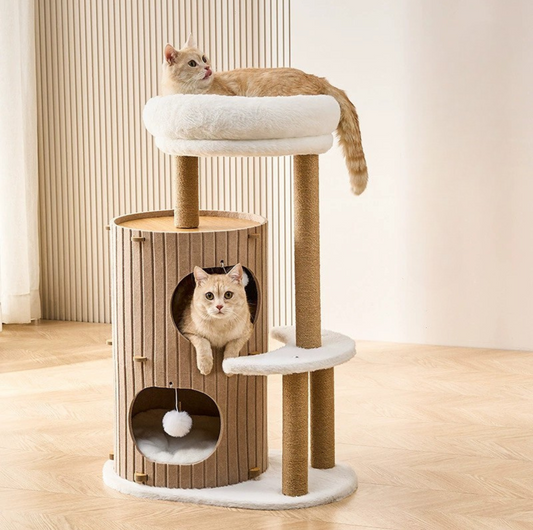
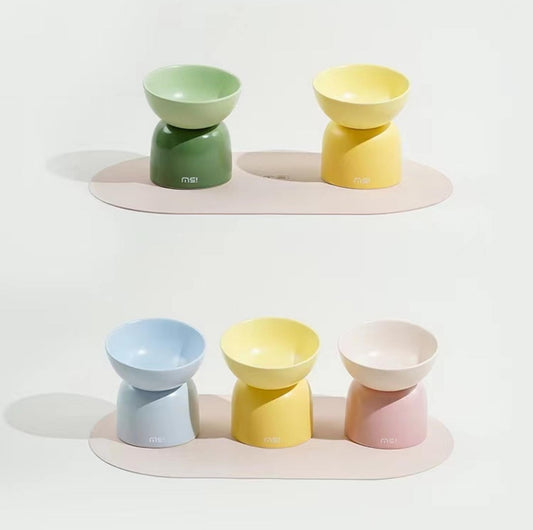
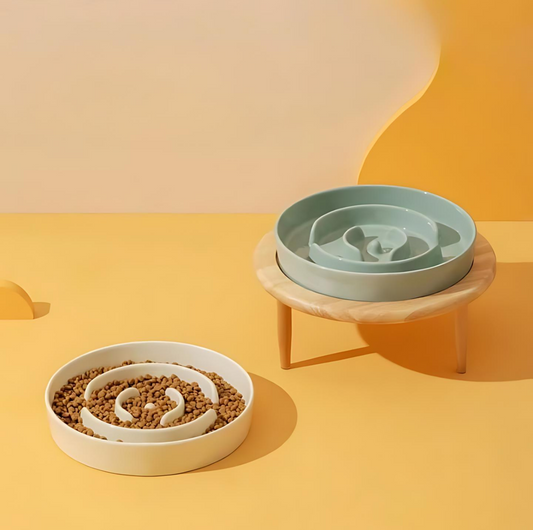
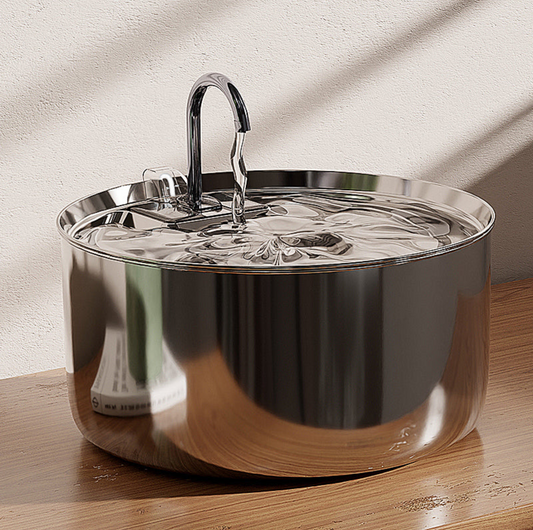

New Pet Supplies – Just Arrived

What Pet Parents Say About Our Pet Store

Melbourne 2025 Pet Show – Featuring PawPawUp Pet Supplies

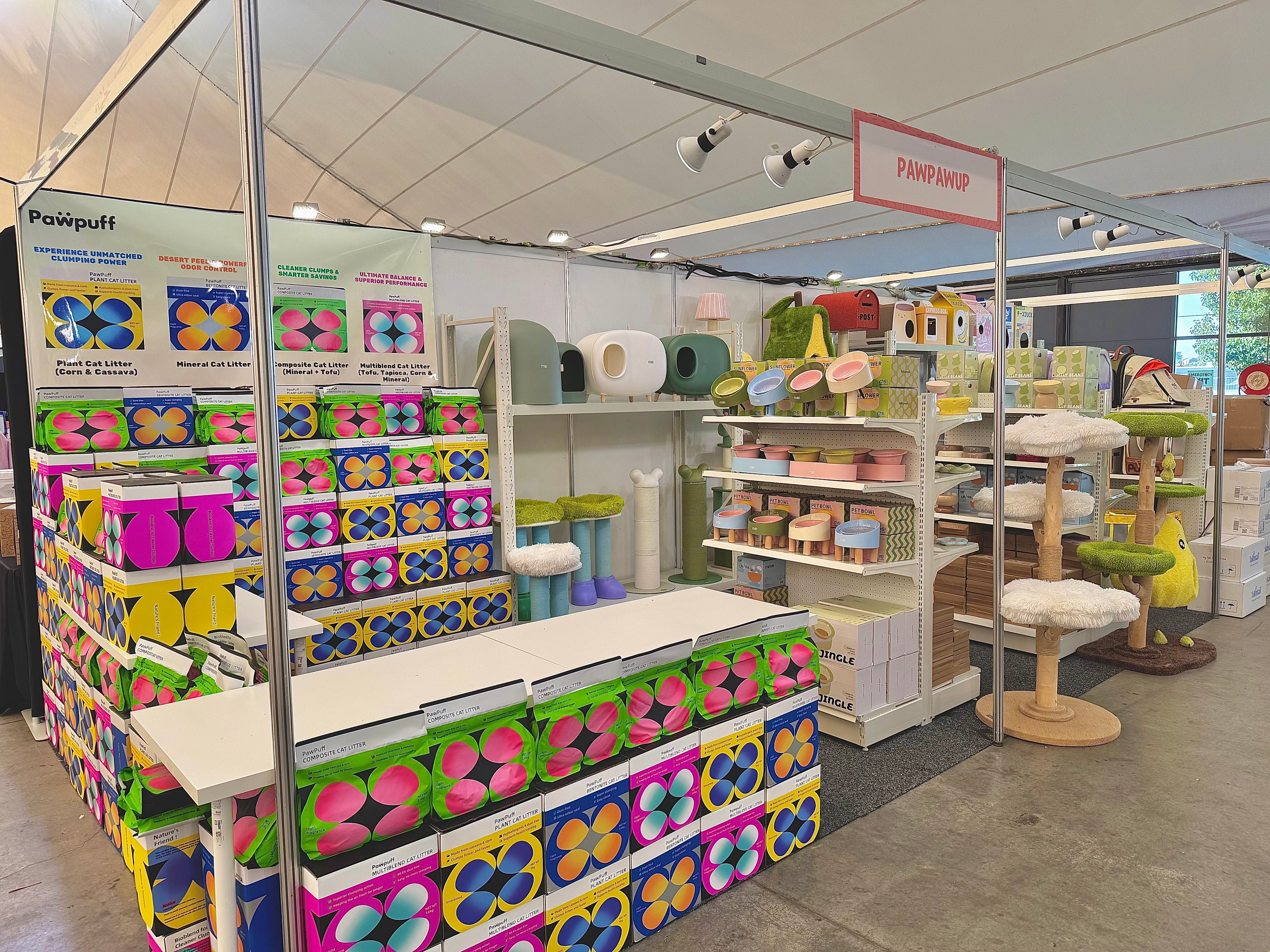
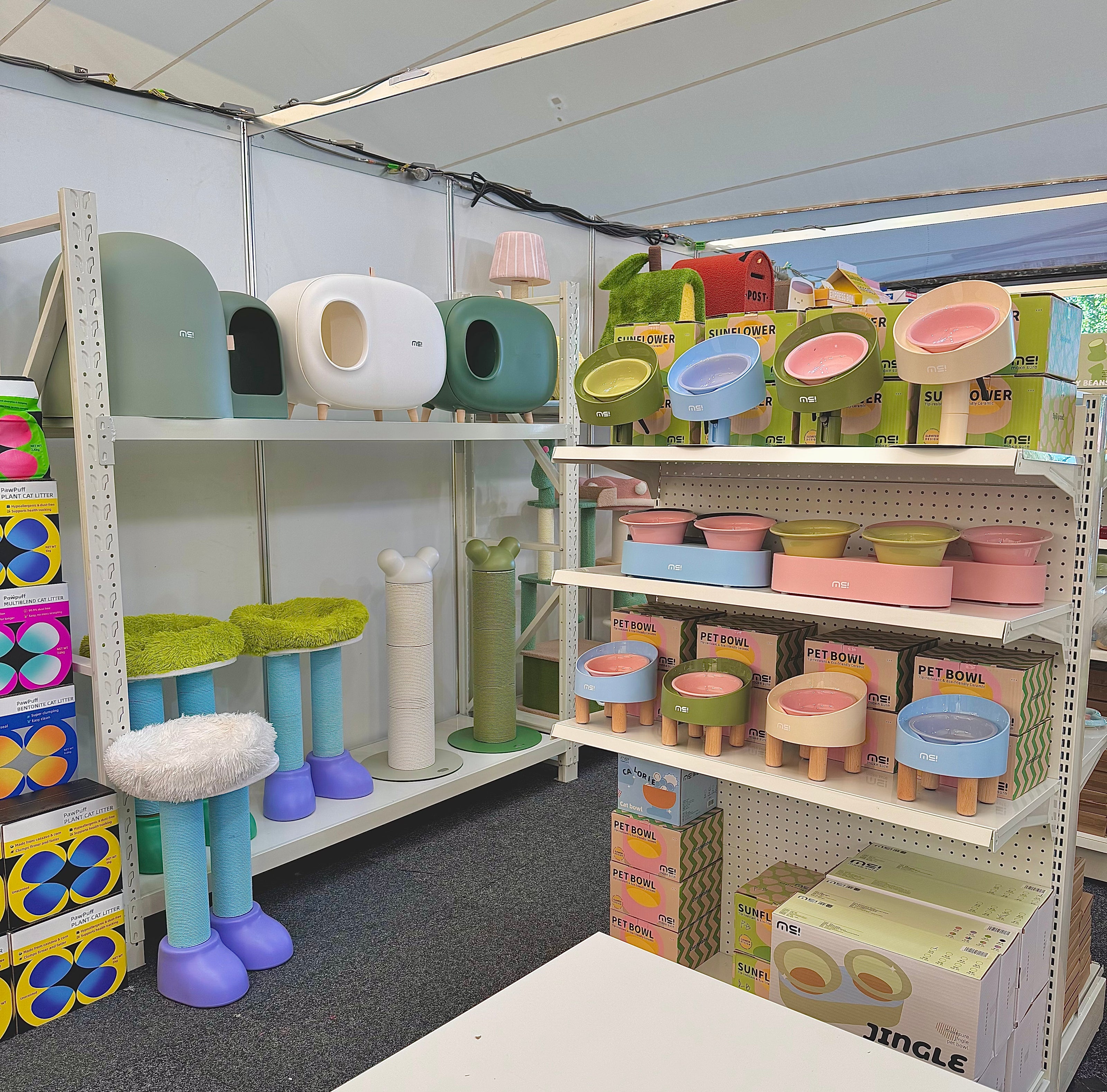
Wide view of a pet store booth displaying cat litter, feeding bowls, and climbing structures as part of their best-selling pet supplies.
Colorful shelves filled with pet bowls, litter boxes, and scratch posts at a vibrant pet store pop-up featuring premium pet supplies.
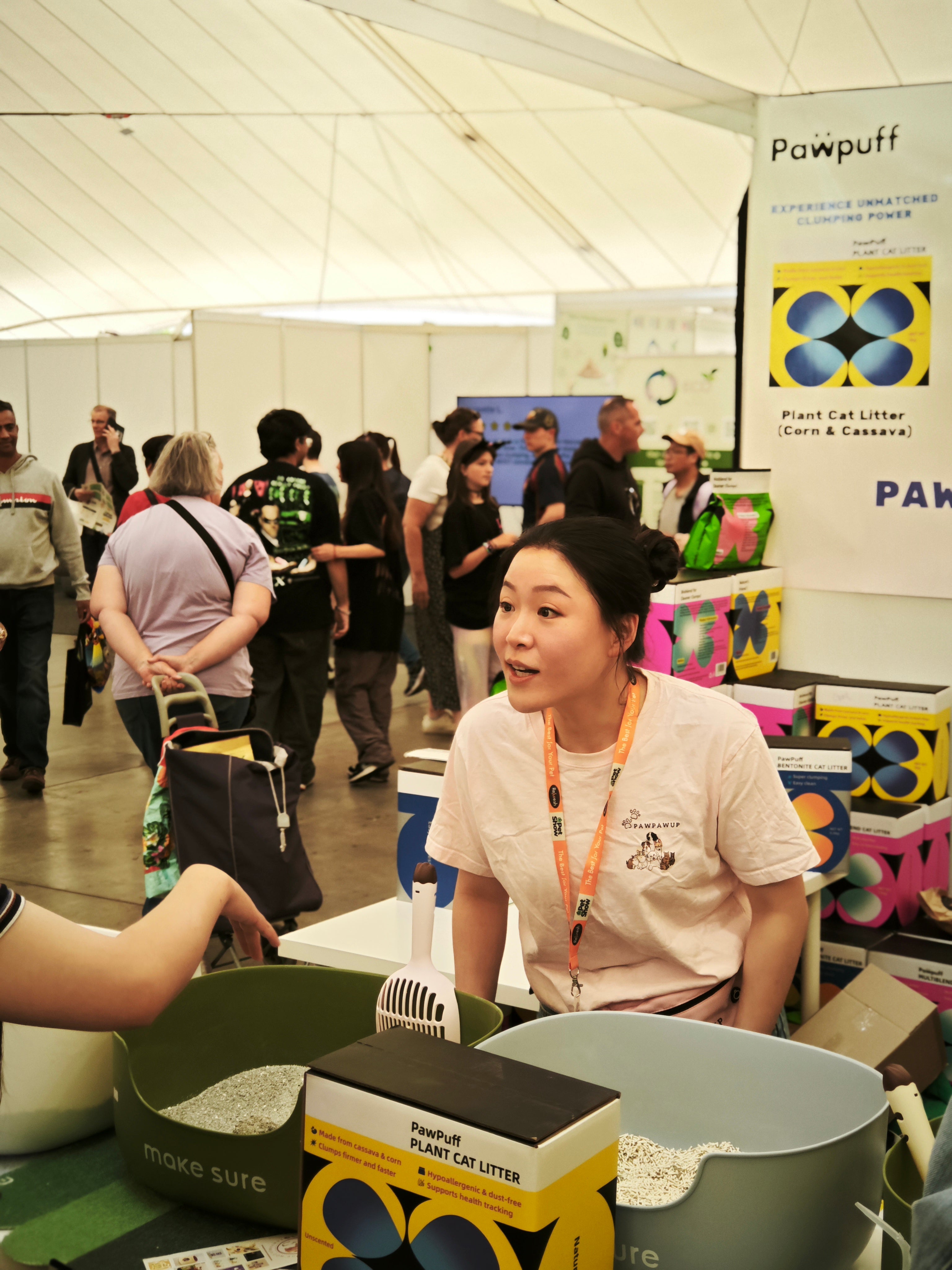
PawPuff booth at a pet supplies exhibition, presenting eco-friendly plant-based cat litter products from a leading pet store.
Group of adorable dogs and cats used in pet store marketing, highlighting a diverse range of pet supplies for all breeds.

PawPawUp Pet Store - We Care As You Care

At PawPawUp, we’re not just a pet store—we’re a team of animal lovers who believe pets deserve the same comfort and joy as the people who care for them. Based right here in Melbourne, we’ve built our store around one idea: making life better for pets, and easier for the people who love them.

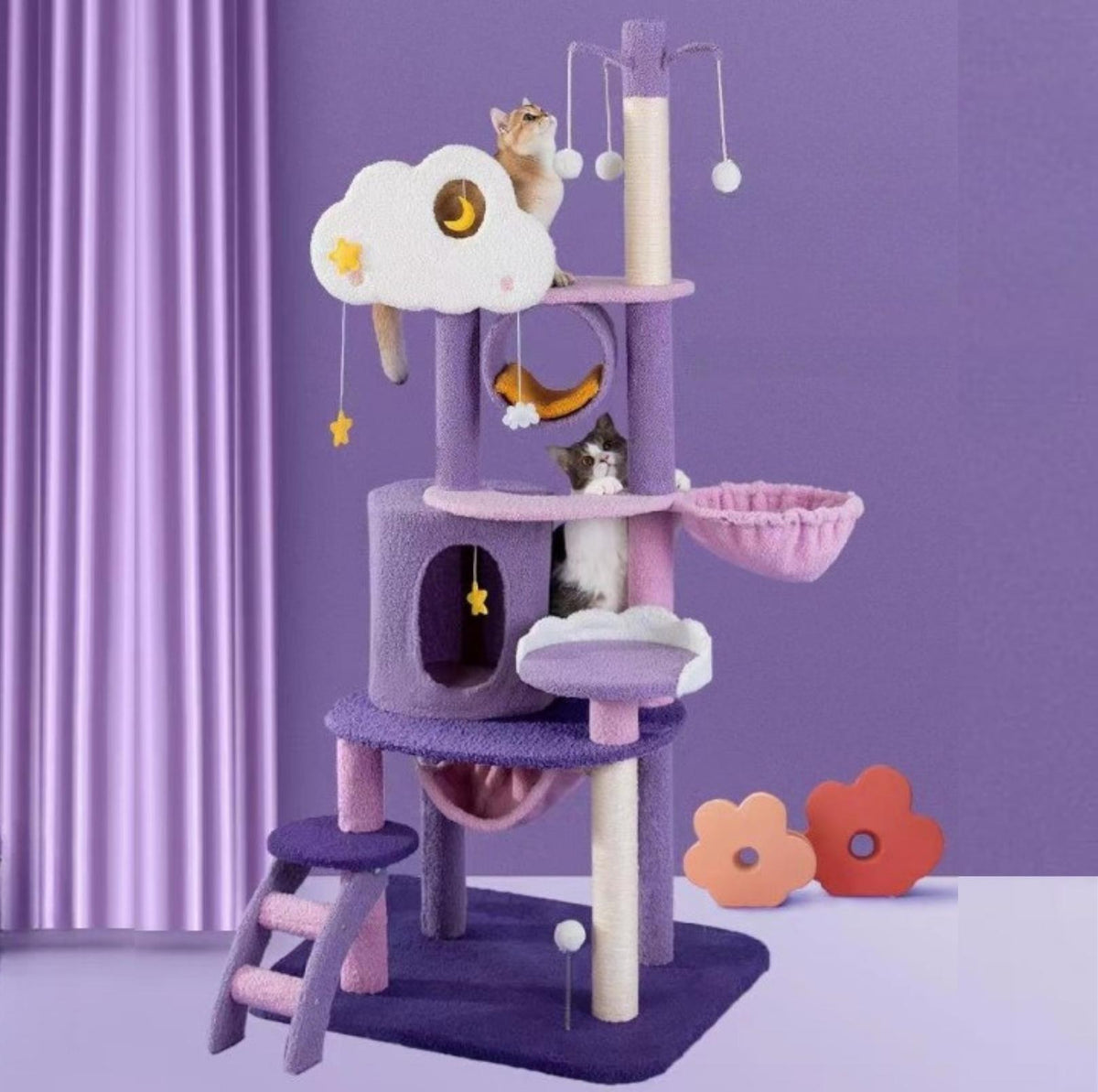
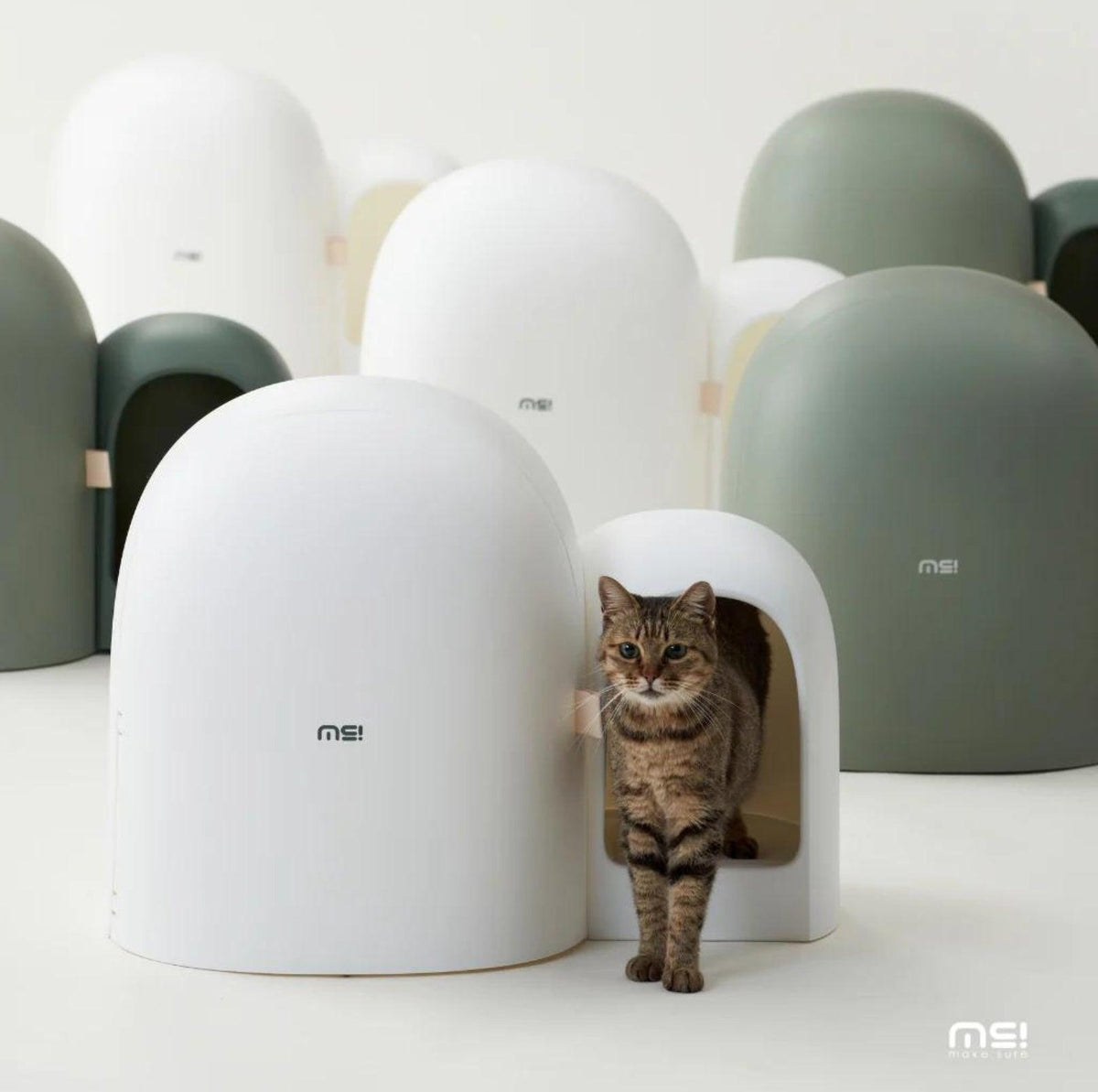
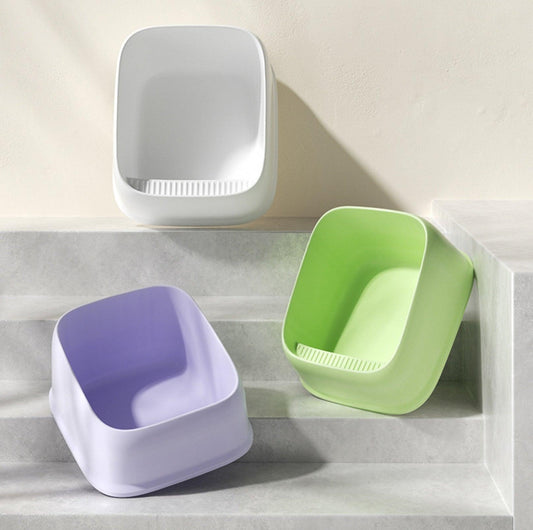
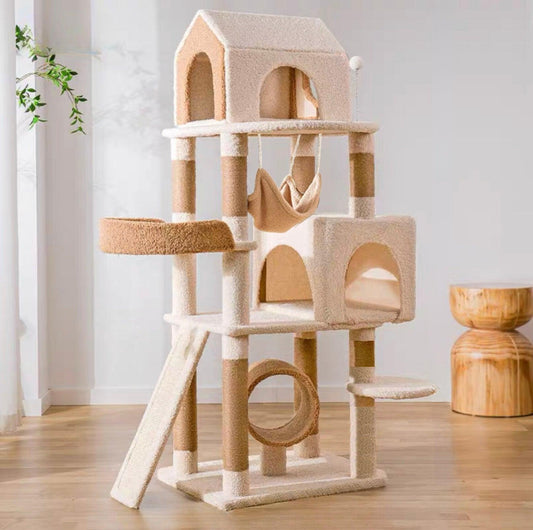
Our shelves (and our hearts) are full of practical, playful, and thoughtful pet supplies—from soft cat bed that invite deep naps, to sturdy cat tree & cat scratcher that bring out your cat’s inner climber. Got a pup who never stops moving? There’s a dog toy here with their name on it. For cat parents, we’ve also stocked essentials like the easy-to-clean cat litter box, and the kind of cat carrier that makes vet trips a little less stressful.

Everything we offer has been chosen with care, tested by real pets, and delivered with the kind of service that feels more like family than retail. Whether you’re new to pet parenting or already have a house full of paws and fur, we’re here to help with things that actually make a difference.

We’re proud to be part of Melbourne’s growing pet-loving community—and we’d love for you to be part of ours.

Come join the PawPawUp family. We’re here for your pets, like they’re our own.

Why Pet Owners Across Australia Love PawPawUp
At PawPawUp, we’re more than just shelves of pet products—we’re a trusted part of countless Australian homes. Whether you’re shopping from Melbourne, Sydney, or a small town in between, we make it easy to access premium pet supplies that are both functional and full of love.

Every order comes with care, fast shipping, and support from a team who genuinely knows and loves animals. That’s why we’ve become a go-to pet store in Australia for first-time pet parents and lifelong pet lovers alike.

Want to see why so many customers stick with us? Browse our latest picks or check out our pet supplies blog to see what makes a good pet store truly great.

Read more
When I first saw tofu cat litter at my local pet store, I honestly thought it was a gimmick. Cat litter made from soybeans? Sounded like something from a weird health food blog, not something my cat would actually use. But after dealing with clay dust for years and tracking little grey paw prints across my floors, I got curious. I bought a small bag. And yeah, I had questions. Is it actually safe? Can you really flush it? Why does it cost more? Here’s what I figured out after using it for a few months—no fancy marketing talk—just what worked, what didn’t, and what surprised me. The Basic Idea: It’s Just Leftover Soybean Fibre Tofu litter isn’t made from the block of tofu you stir-fry. It’s made from the leftover pulp after soy milk or tofu production. That pulp is dried, cleaned, and pressed into small pellets or granules. Because it starts as food-grade material, it’s naturally non-toxic. If your cat swallows a bit while grooming, it won’t expand in their stomach like clay litter can. That alone made me feel better, especially since my older cat sometimes nibbles weird things. So, Is It Really Safe for Cats? Honestly? Safer than most clay litters I’ve used. The big one is dust. Clay litter always had that fine dust cloud when I poured it. Tofu litter barely has any. That’s huge if your cat has breathing issues or you just don’t want to breathe that stuff in yourself. But there’s a catch. Some brands add baking soda, charcoal, or fragrances. Most cats are fine with those, but I’ve heard from other owners that their sensitive cats started sneezing. So if your cat has allergies, go with unscented. Also, check where you store it. Tofu litter can go moldy if kept in a damp garage or laundry room. Keep it in a dry spot, ideally in a sealed container. Pros and Cons – Straight Up Here’s a quick table based on my own experience and what other cat owners have told me. Feature Tofu Cat Litter (Pros) Potential Drawbacks (Cons) Eco-Friendly Biodegradable & made from plants Can get moldy if stored in a damp place Disposal Flushable in small amounts You have to check your local plumbing rules Price Good value over time because it lasts longer More expensive upfront than basic clay About that price thing – yeah, a bag costs more. But one bag lasted my single cat almost a full month. With clay, I was buying cheaper bags more often. So it kind of evens out. Does It Actually Clump? Yes, but not instantly. When my cat pees on it, the pellets absorb fast and start sticking together. But if I scoop right away, the clump sometimes falls apart. I learned to wait a minute or two. Then it holds together really well. Some brands clump firmer than others – you might need to try two or three to find one you like. The Flushing Question – Be Careful People see “flushable” and think they can dump the whole box down the toilet. Don’t do that. Tofu litter breaks down in water. Drop a pellet in a glass and watch – it falls apart. That means small clumps won’t block your pipes. But only flush one or two small clumps at a time. Let them dissolve before flushing again. And seriously, check your local rules. Some areas don’t allow any pet waste in the sewer system. If you’re not sure, just bag it and bin it. Switching From Clay Without Upsetting Your Cat Cats are creatures of habit. If you swap their entire litter box to tofu overnight, don’t be surprised if they give you the stink eye and pee on your carpet instead. What worked for me: mix a little tofu with the old litter. Start with maybe 25% tofu. Every few days, add more tofu and less clay. After a week or two, you can go full tofu. Your cat won’t even notice the change if you go slowly. Also, tofu pellets feel different under their paws. Some cats don’t care. Others are fussy. Going slow gives them time to get used to it. What About Tracking? Tofu pellets are bigger and heavier than clay granules. That means they don’t stick to furry paws as easily. I definitely saw less litter scattered around the box. But they can still roll out, especially if your cat kicks hard. Using a cat litter box with higher sides or a lid helps a lot. I swapped to a top-entry box and barely see any litter on the floor now. The Rest of Your Cat’s Setup While you’re thinking about litter, it’s worth looking at the other basics. A good cat bed gives them a quiet spot to nap. A sturdy cat carrier makes vet trips less stressful for both of you. And honestly, having everything work together – the box, the bed, the carrier – just makes life easier. Brands like Pawpawup seem to get that. They don’t just sell one thing. They sell stuff that actually fits how cats live. That’s refreshing. Where to Buy You can find tofu litter online or at any decent pet store. My advice? Start with a small bag. See how your cat reacts. If they use it without issue, then buy the bigger bag. One bag for one cat should last about a month. That’s not bad at all for something that’s low dust, low tracking, and actually biodegradable. Bottom Line Is tofu cat litter safe? Yeah, I’d say so. It’s non-toxic, low-dust, and clumps well enough for daily scooping. Just store it somewhere dry, transition your cat slowly, and don’t go crazy flushing huge clumps down the toilet. It costs a bit more upfront, but it lasts longer. And for me, not breathing clay dust anymore was worth the switch. If you’re tired of the mess and the dust, give it a try. Your cat might surprise you. Mine did.
You don’t need a mansion (or a cart full of gadgets) to make your home feel amazing for your cat. Most cats want the same three things on repeat: a place to climb, a place to nap (a comfy cat bed makes this an instant win), and something they’re allowed to scratch. And here’s the part that surprises people: “nap” is not a small request. Vets note many cats spend 12–16 hours a day snoozing, in lots of short bursts. So when we talk about “cat-friendly,” we’re really talking about setting up an environment your cat can use all day—without stress, boredom, or destroying your couch. Let’s build that in a way that’s practical, renter-friendly, and easy to maintain. Start with a simple “cat map” of your home Separate the big three: food, toilet, rest Cats are fussy in a very logical way: they don’t love eating next to the bathroom. Feline environmental needs guidelines recommend keeping key resources in separate locations (for example, food away from litter). Quick action: Put food/water in one calm spot Put the litter area in a different zone Put resting spots away from foot traffic (or at least give a quieter option) Give “two options” when you can Especially in multi-cat homes, having more than one option for key resources reduces tension. Guidelines also emphasize having multiple places for things like feeding and resting. Even with one cat, “two options” is magic—your cat gets choice, and you get fewer “why are you screaming at 3am?” moments. Go vertical without turning your lounge into a jungle gym Cats live in a 3D world. Height isn’t just “fun”—it’s confidence, supervision, and safety. Many cat behavior resources encourage vertical space (perches, shelves, towers) as enrichment. Choose a cat tree your cat will actually use The #1 mistake is buying the fanciest tower… and hiding it in a laundry room. Vets explicitly recommend placing activity trees where the family spends time—cats want to be near you, even when they pretend they don’t. Quick action: Put it near a window (cat TV is undefeated) Or place it near your “main human zone” (so your cat can perch and supervise) Make sure it doesn’t wobble—unstable towers get ignored fast If you have a heavy kitty, don’t “hope it holds” If your cat is big-boned, muscular, or just… enthusiastic, pick a cat tree for large cats with wider platforms and a base that won’t tip. Look for thicker posts, lower center of gravity, and roomy sleeping spots. A stable climb is a confident climb. Quick action: Test shake it like you’re a toddler in a toy store. If it moves, it’s not the one. Give a “step path” (so your cat can climb up in stages, not leap like an Olympian). Make sleep spots irresistible (so your cat stops stealing your laundry) You can’t stop a cat from sleeping. You can only influence where it happens—and since cats nap so much, this is where comfort really pays off. Pick one “social nap” and one “private nap” with a cat bed Most cats like a cozy spot near the action and a hidden-ish place for deep rest. You don’t need five beds. You need two good ones. Quick action: “Social nap”: living room corner, near you “Private nap”: bedroom corner, quiet shelf, or a covered nook Bonus: rotate blankets seasonally (cats love warmth) If your cat is chin-acne prone or picky about surfaces, choosing easy-wash fabrics and keeping beds clean can make a noticeable difference in whether they use them consistently. Scratching is not “bad behavior”—it’s a basic need Scratching keeps claws healthy, stretches the body, and helps cats communicate/mark territory. (It’s basically cat yoga + nail care + “this is mine.”) If you want the best explanation you can send to anyone who still thinks your cat is “being naughty,” bookmark this: International Cat Care’s guide to why cats scratch Choose the right cat scratcher (it’s more about “preference” than price) Some cats love tall vertical posts. Others prefer horizontal cardboard pads. The easiest win is offering both orientations, which is also recommended in indoor enrichment advice. Quick action: One vertical scratch surface near where your cat wakes up One horizontal scratch surface near your couch (yes, near—that’s the point) Placement beats “training” If your cat scratches the sofa arm, putting a scratcher across the room won’t work. Put the scratcher next to the problem spot, then slowly “move it” once it becomes the new habit. Quick action: Reward after your cat scratches the right thing (tiny treat, praise, play) Use catnip or silvervine if your cat responds to it Trim claws regularly if your cat tolerates it (or ask your vet/groomer) Put it together: the 10-minute “cat-friendly reset” Here’s a routine that keeps your home tidy and your cat happier: Morning (3–5 minutes) Refresh water + breakfast Quick litter scoop (yes, even if you have an automatic box) Toss a toy onto the climbing area to encourage a little movement Evening (5 minutes) 2 minutes of play (wand toy, chase, “hunt”) Reset the cat scratcher near the couch Quick fluff/reset of sleep spots These micro-actions matter because they keep the “cat zones” working—food is clean, sleep is cozy, scratching is satisfying, and your cat doesn’t need to invent chaos. Make it easy to start (without buying “everything”) A cat-friendly home isn’t about buying everything. It’s about placing a few things really well—height where your cat wants to watch, rest where your cat feels safe, and scratching where your furniture used to suffer. If you want help choosing the right setup for your space (apartment vs house, one cat vs multi-cat, big cat vs kitten), check out Pawpawup’s guides and product picks—start with one upgrade, like a sturdier cat tree, and build from there.
I remember walking into a pet store when I first got my kitten, completely overwhelmed. There were these tall, carpeted towers in one corner and then simple cardboard things in another. I stood there thinking, "Aren't they basically the same thing? Don't cats just need something to scratch?" Turns out, I couldn't have been more wrong. My education started about a week after I brought my little chaos machine home. I'd bought a basic cat scratcher—one of those flat cardboard ones—and placed it in the living room. He used it. Great, I thought. Problem solved. Then I noticed him scratching the side of my armchair. Not the cardboard, but the chair. Why? Because he wanted to stretch upward while scratching, and my little flat board couldn't give him that. That's when I started actually watching him, instead of just assuming I knew what he needed. What a Cat Scratcher Actually Does A cat scratcher has one job, and it does that job well. It's a designated scratching spot. When cats scratch, they're doing a few things at once—they're shedding the outer layers of their claws, leaving scent marks from their paw pads, and stretching their muscles. A good scratcher gives them a surface that feels satisfying to dig into. The thing is, scratchers come in different styles. Flat ones work great for cats who like to scratch while lying down. Angled ones let them get a bit of a stretch. Vertical posts wrapped in sisal rope let them really reach up and pull down, which some cats absolutely love. For the first few months, my cat was perfectly happy with just a couple of these around the house. One by the door, one near his bed. Cheap, simple, effective. Then I Bought a Cat Tree and Everything Changed A friend was moving and couldn't take her cat tree, so she offered it to me. I said sure, why not? Big mistake—because now I know what I was missing. The day I set it up, my cat approached it like it was an alien spaceship. Took him about ten minutes to start exploring. Another ten to climb to the top. And from that moment, his whole personality shifted a bit. He had a lookout now. A perch. A place to retreat to when he wanted to be alone. A cat tree isn't just a fancy cat scratcher. It's territory. It's a gym. It's a bedroom with a view. Those wrapped posts on the sides? Sure, he scratches them constantly. But he also sleeps on the platforms, hides in the little cubby, and sits on the top watching birds through the window like a furry little king surveying his kingdom. The Real Difference Looking back, here's how I'd explain it to that overwhelmed version of myself in the pet store: A cat scratcher is a tool. It serves one purpose. It's like having a specific spot in your house where you're allowed to doodle on the walls. It satisfies an instinct, saves your furniture, and costs next to nothing. A cat tree is a home within your home. It gives your cat vertical space, which is huge for them because in their DNA, high places mean safety. It lets them climb, which is a natural exercise. It gives them choices—up here, down there, inside this cubby, out on that platform. And yes, it also happens to include scratching surfaces. Why You Probably Want Both These days, I've got both set up in different spots. The main cat scratcher lives near the back door. Every time I come home, my cat runs over, scratches it a few times, then looks at me like "Welcome back, I've marked this spot for you." The cat tree is in the living room by the window. That's his command center. That's where he watches the neighborhood, takes his afternoon naps, and occasionally judges me for working too late. They serve different needs. When he wakes up from a nap in the tree, he stretches and scratches the post right there. But when he's walking past the door and feels like leaving a quick scent mark, he hits the scratcher. Both get used. Both make him happier. I've noticed brands like Pawpupup tend to offer both types of products, and now I get why. They're not just trying to sell more stuff. They're acknowledging that cats have different instincts that need different outlets. You can't roll all of that into one item. One Quick Note About Cat Carriers While we're talking about cat essentials, I should mention that neither a tree nor a scratcher will help you get your cat to the vet. That's where a good cat carrier comes in. I learned that the hard way when I tried to carry my cat to the car in my arms. Never again. That's a whole separate investment, and trust me, you want one that opens from the top. What You Should Actually Buy If you're on a budget or tight on space, start with a decent cat scratcher. See what your cat prefers—horizontal or vertical—and get one that matches their style. It'll protect your furniture and give it an outlet. If you've got room and want to see your cat truly thrive, save up for a cat tree. Watch how they use it. You'll see them climb higher than they ever could before, nap in spots they couldn't reach, and generally act like they own the place (which, let's be honest, they do). But the real answer? Get both when you can. Put the scratcher in a high-traffic area where your cat likes to leave messages. Put the tree near a window where they can watch the world. Watch how they move between them, using each for what it's best at. That's the thing about living with cats. You start out thinking you're just buying stuff to keep them from destroying your house. Then you realize you're actually building them a little world where all their instincts make sense. And honestly? Watching them enjoy it is one of the best parts of having them around.

Pet Store & Pet Supplies FAQ

What is essential for a first-time cat or dog owner?

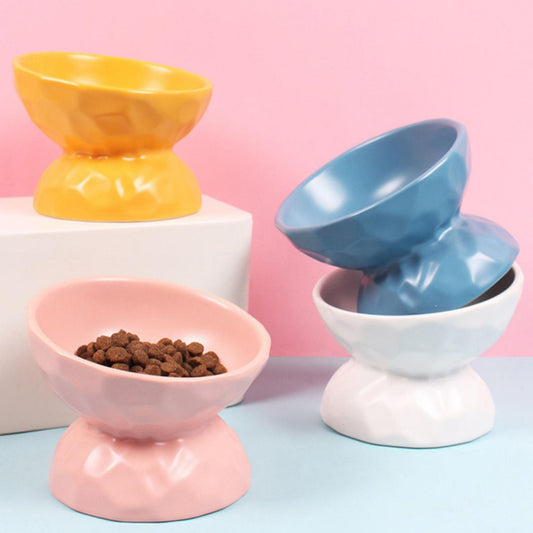
If you're adopting a new pet, you'll have to bring home some essentials: food and water bowls, good pet food, a comfy bed, grooming equipment, an ID-tagged collar, and some toys. If it's a cat, add a cat litter box and a cat scratching post. If it's a dog, remember a leash and poop bags. Starting with these basics guarantees your pet feels secure, satisfied, and well cared for from the start.

How often should I replace or update my pet supplies?

You should finish pet food and treats first, but other products need to be replaced now and then, too. Collars, beds, toys, and grooming tools become outdated — replace them every 6–12 months or if they seem to be damaged. Closely monitor chew toys and replace them as soon as they start to crack or break. This article is about clean your pet's stuff.

What do I need to ask when I visit a pet store for the first time?

Ask them where their pet food originates from, if their toys and so on are safe, and how you can continue if you want to return an item. When buying stuff for health, i.e. extras or something to stop fleas, make sure that the staff know what they're selling. A good pet shop will tell you what you need to know, not just eager to flog you something.

What makes a good pet store?

A good pet store is not just a place for purchasing necessities - it is a gathering place for passionate staff, carefully selected products, and genuine care for animals. The best pet stores in Australia have knowledgeable and animal-loving staff, a clean and cozy environment, and are dedicated to the health and well-being of pets. They not only sell you products but also help you a lot with the long-term health and happiness of your pets.

At PawPawUp, we proudly consider ourselves more than just an ordinary pet supply store. We are a place that pet owners in Australia trust, where they look for high-quality products, personalized services, and genuine support. Wondering why many people consider us one of the best pet stores in Australia? Read our blog to learn what makes a great pet store.

Our services are based on the opinions of the community in this pet stores Reddit post, which discusses what makes a good pet store. We are constantly improving.

Do you offer delivery across Australia?

Yes — we ship to metro and regional areas across Australia. Shipping is free on orders over $79 in major areas and VIC rural areas, while flat shipping fees apply to other rural and remote locations. Some larger items may also incur additional delivery charges depending on the postcode and product size.

Check out our full shipping policy here to learn more.