
-
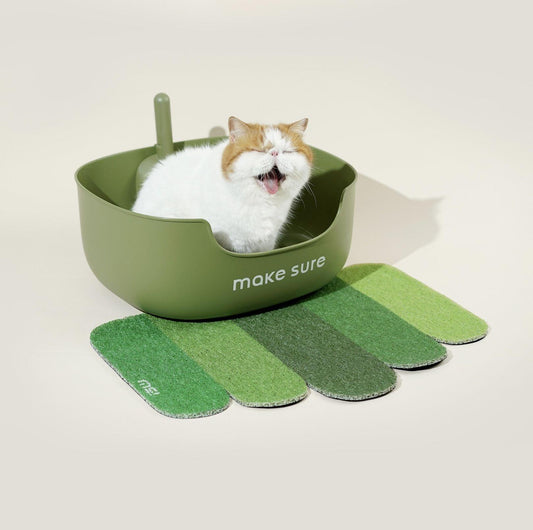
Makesure Open Cat Litter Tray Cat Litter Box (Litter mat included)
Regular price $69.00 AUDRegular priceUnit price per$69.00 AUDSale price $69.00 AUD -
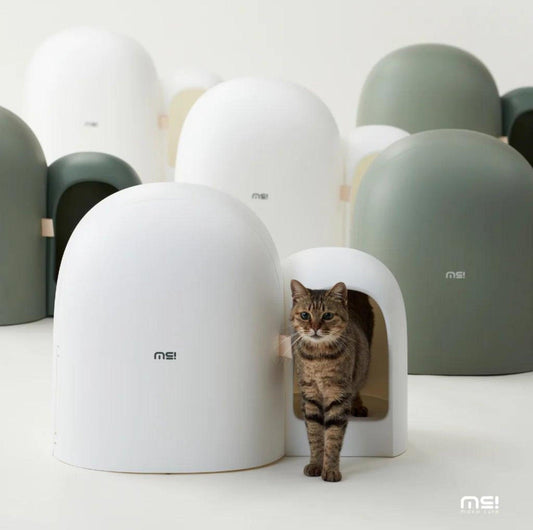
Makesure Cat Litter Box MAX
Regular price $149.00 AUDRegular priceUnit price per$149.00 AUDSale price $149.00 AUD -
MakeSure Mochi Top-Entry Cat Litter Box 100L
Regular price $139.00 AUDRegular priceUnit price per$139.00 AUDSale price $139.00 AUD -
Mango Large High Edge Cat Litter Box - Mess-Free Design for Big Cats (61.5*41.5*33cm)
Regular price $59.00 AUDRegular priceUnit price per$59.00 AUDSale price $59.00 AUD -
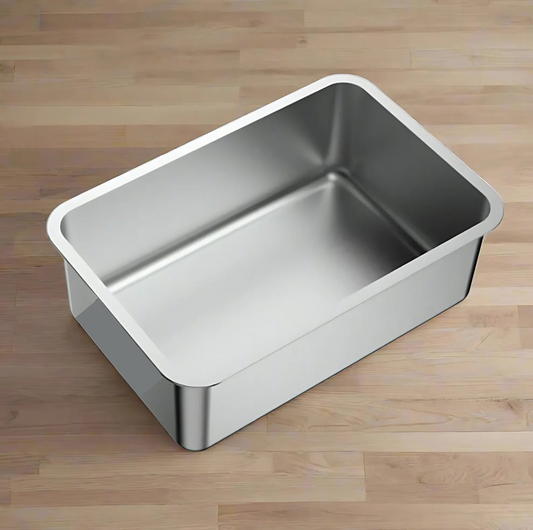
Stainless Steel Open Cat Litter Box – Large High-Edge Design
Regular price From $59.00 AUDRegular priceUnit price per$59.00 AUDSale price From $59.00 AUD -
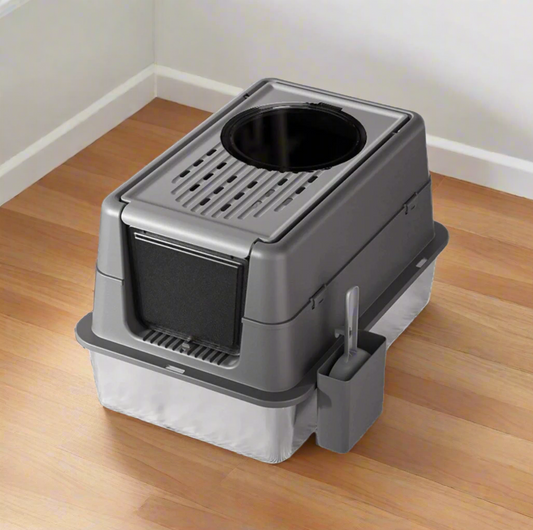
Stainless Steel High-Fenced Cat Litter Box - Semi-Enclosed
Regular price $99.00 AUDRegular priceUnit price per$99.00 AUDSale price $99.00 AUD -
Enclosed Stainless Steel Cat Litter Box
Regular price $129.00 AUDRegular priceUnit price per$129.00 AUDSale price $129.00 AUD -
Ecoboco Pure Flow Double-Layer Cat Litter Box and Cat Litter System
Regular price From $17.00 AUDRegular priceUnit price per$17.00 AUDSale price From $17.00 AUD -
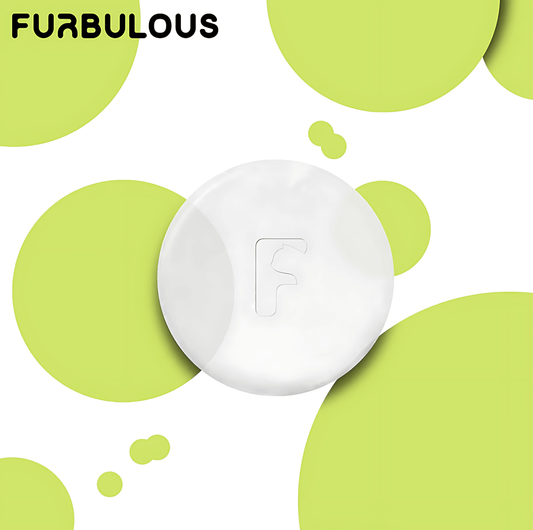
Furbulous 3 Piece Deodorant Bar Pet Odor Eliminator - Natural and Long-Lasting Freshness
Regular price $19.90 AUDRegular priceUnit price per$19.90 AUDSale price $19.90 AUD -
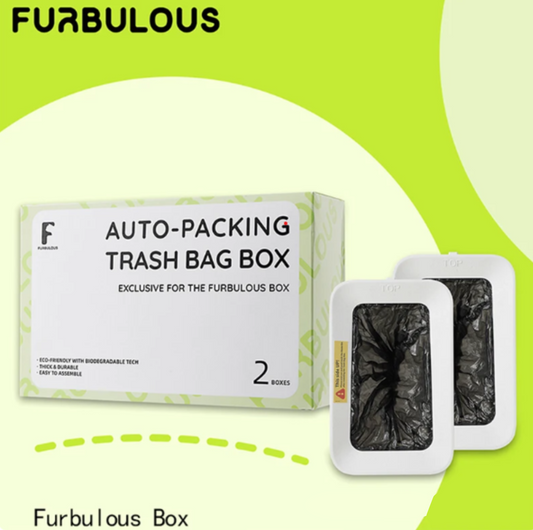
Furbulous Auto-Packing Trash Bag Box 2 Pieces (Only Suitable for FURBULOUS LITTER BOX)
Regular price $29.99 AUDRegular priceUnit price per$29.99 AUDSale price $29.99 AUD -
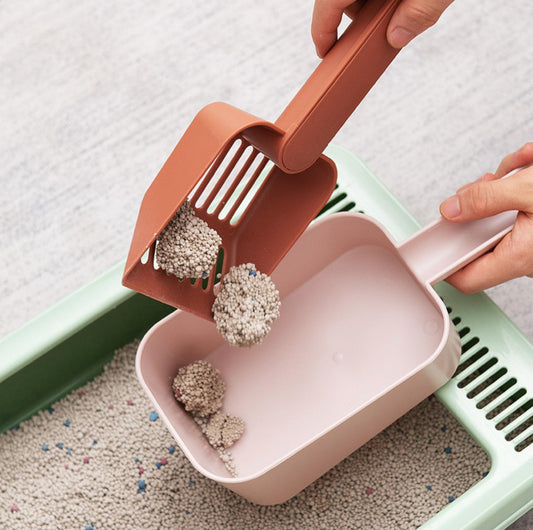
Cat Litter Scoop and Dustpan Combo - Easy Waste Disposal
Regular price $18.00 AUDRegular priceUnit price per -
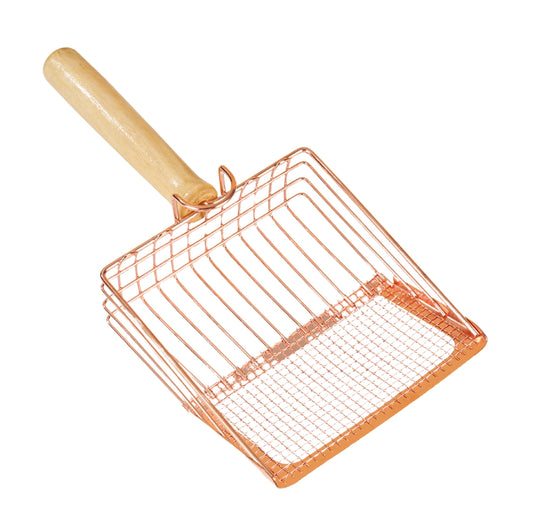
Metal Cat Litter Scoop with Extended Handle - Perfect for Clumping Litter
Regular price $9.90 AUDRegular priceUnit price per$9.90 AUDSale price $9.90 AUD -
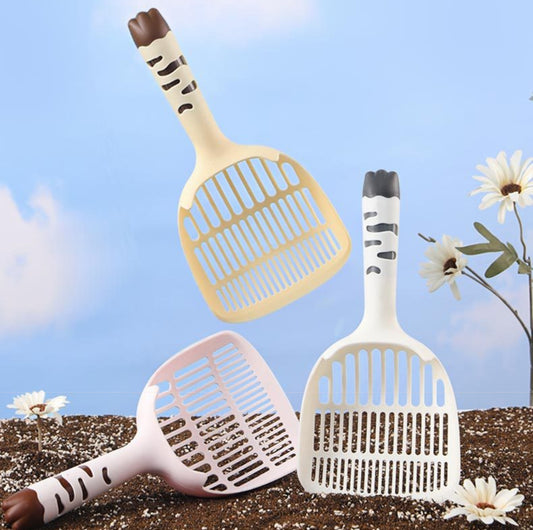
Large Long-Handled Cat Litter Scoop with Multi-Size Mesh
Regular price $5.90 AUDRegular priceUnit price per$5.90 AUDSale price $5.90 AUD -
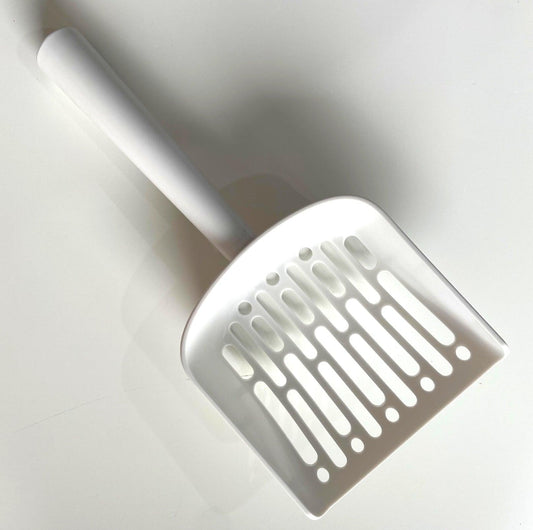
White Cat Litter Scoop
Regular price $3.50 AUDRegular priceUnit price per$3.50 AUDSale price $3.50 AUD -
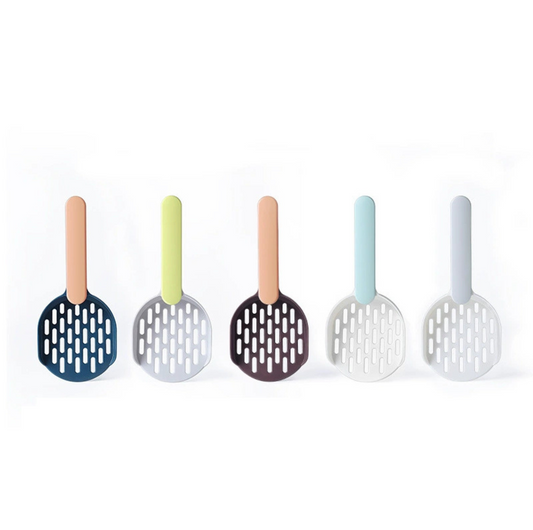
Cat Litter Scoop with Hidden Hanging Hook
Regular price $6.00 AUDRegular priceUnit price per$6.00 AUDSale price $6.00 AUD -
Purroom Little Chicken Series – Oval Cat Litter Mat
Regular price $18.95 AUDRegular priceUnit price per$18.95 AUDSale price $18.95 AUD -
Makesure Cat Litter Mat
Regular price $18.95 AUDRegular priceUnit price per$18.95 AUDSale price $18.95 AUD -
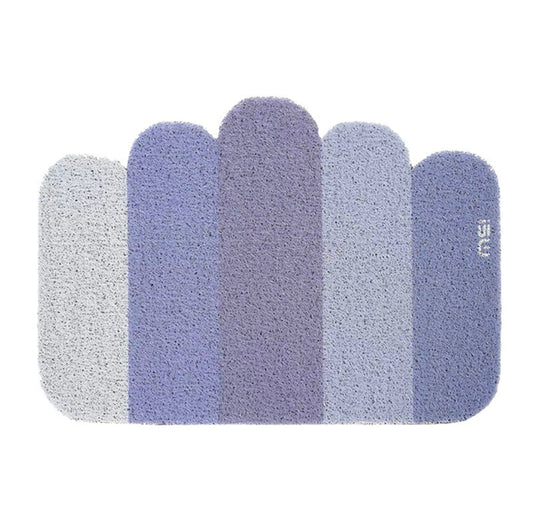
Double-Layer Honeycomb Cat Litter Mat for Trapping Litter
Regular price From $10.95 AUDRegular priceUnit price per$10.95 AUDSale price From $10.95 AUD -
LYLLI PILLY Lylli Pad - Charcoal Leak Proof Ultra Absorbent Premium Training Pads
Regular price From $25.99 AUDRegular priceUnit price per$29.99 AUDSale price From $25.99 AUDSale -
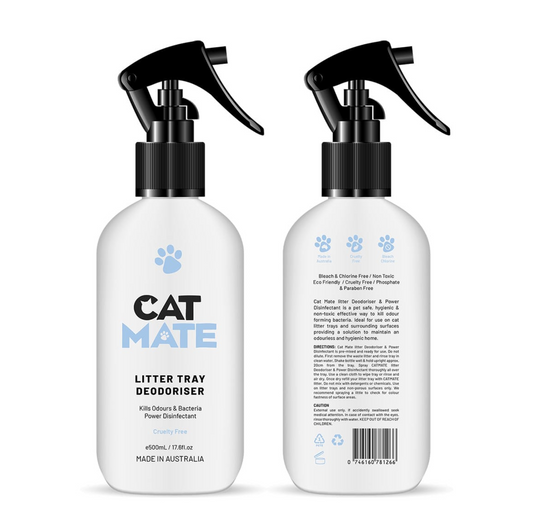
Catmate Cat Litter Tray Deodoriser Spray
Regular price From $12.99 AUDRegular priceUnit price per$12.99 AUDSale price From $12.99 AUDSold out







Cat Litter Box FAQ
Many cat owners recommend starting with a stainless steel litter box because it’s more durable, resists odor build-up, and is less likely to absorb bacteria compared to plastic. It’s also easier to clean and won’t scratch as easily, which helps prevent lingering smells.
Preferences vary: some cats dislike a covered litter box and prefer an open one, while others enjoy the privacy of a covered design. The best approach is to try different styles and see which one your cat feels most comfortable with. Sometimes, it’s a bit of trial and error until you find the perfect fit for your pet’s habits and your home’s layout.
According to Dr. Ernie Ward, DVM, a study found no overall preference between covered and uncovered litter boxes:
- 70% of cats used both covered and uncovered boxes equally.
- 15% preferred covered boxes, possibly for privacy or fewer outside distractions.
- 15% preferred uncovered boxes, likely for better ventilation or easier access.
For most cats, the choice comes down to individual comfort and the household environment. If your cat is shy or easily startled, a covered box might feel safer. If they dislike confined spaces or you want better odor ventilation, an uncovered box may work better.
- Scoop daily: Remove clumps and waste every day to encourage consistent use.
- Deep clean weekly: Wash the litter box with mild soap and warm water at least once a week to prevent bacteria build-up.
- Right litter depth: Use 2–3 inches for clumping litter and 3–4 inches for non-clumping to allow proper digging and covering.
- Proper placement: Put the box in a quiet, private area, away from food and water bowls.
- Follow the “number of cats + 1” rule: You should have one litter box per cat in your household, plus one extra. For example, a three-cat household should have at least four boxes to reduce stress and territorial issues.
- Replace litter regularly: For clumping litter, change every 1–2 weeks; for crystal litter, every 2–4 weeks; for natural litter, every 7–10 days (adjust based on usage and odor).
- Monitor usage: Sudden changes in frequency, straining, or avoidance can signal health problems—consult your vet if needed.